

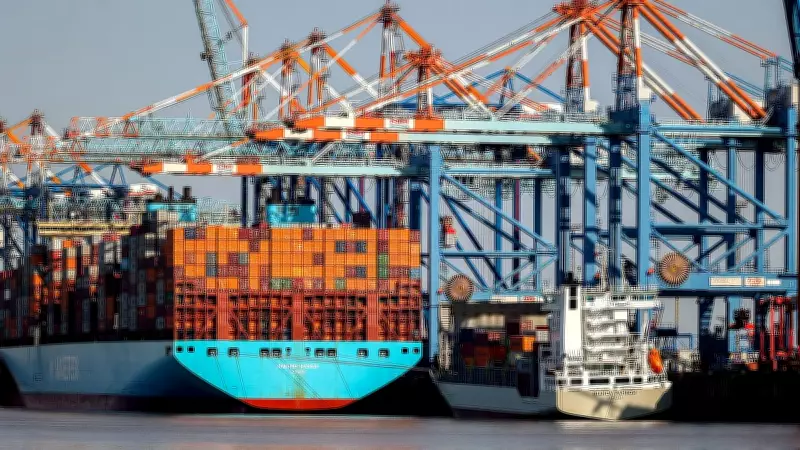
Maersk Announces Global Emergency Bunker Surcharge Amid West Asia Crisis
In a significant development impacting global trade, the world-renowned shipping conglomerate Maersk has declared the imposition of an emergency bunker surcharge. This decisive action is a direct response to the escalating crisis in West Asia, which has severely disrupted maritime operations and logistics networks across critical shipping lanes.
Global Application Including India
A senior company official confirmed that this surcharge will be applied on a global scale, with no exceptions granted to any region. Specifically, the surcharge will be enforced in India, a major hub for international trade and commerce. The official emphasized that the measure is essential to mitigate the heightened operational risks and increased fuel costs stemming from the ongoing geopolitical instability in West Asia.
Effective Date and Regulatory Process
The emergency bunker surcharge is scheduled to take effect from March 25, 2026. However, it is crucial to note that this implementation is subject to regulatory approvals from relevant authorities in various jurisdictions. Maersk is currently engaged in the necessary administrative processes to secure these approvals, ensuring compliance with international shipping regulations and local laws.

Impact on Shipping and Trade
The introduction of this surcharge is expected to have widespread implications for global supply chains and trade dynamics. Key points include:
- Increased Shipping Costs: Freight rates are anticipated to rise, affecting importers and exporters worldwide.
- Supply Chain Adjustments: Companies may need to reassess their logistics strategies to accommodate the additional financial burden.
- Market Volatility: The surcharge could contribute to fluctuations in commodity prices and trade volumes, particularly in regions heavily reliant on maritime transport.
Maersk's move underscores the profound impact of geopolitical tensions on the global shipping industry, highlighting the interconnected nature of international trade and regional conflicts. Stakeholders across sectors are advised to prepare for potential disruptions and cost escalations as the situation evolves.






