

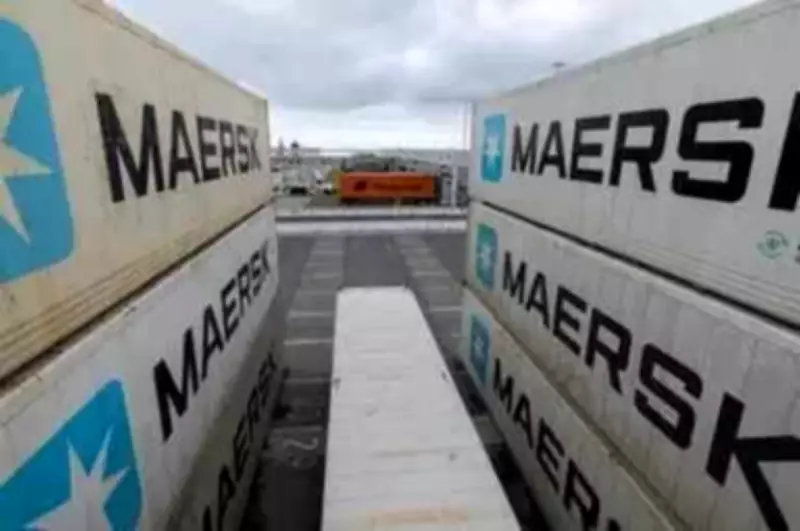
Maersk Announces Global Emergency Surcharge Amid Middle East Turmoil
In response to the escalating crisis in West Asia, global shipping and logistics leader Maersk has declared it will impose a temporary emergency bunker surcharge on all new cargo bookings. This measure, aimed at sustaining the cross-border flow of essential goods, is set to take effect from March 25, pending regulatory approvals, and will apply worldwide without exceptions, including in India.
Security Challenges Disrupt Global Supply Chains
A company official highlighted that the volatile security environment in the region is posing significant hurdles for logistics operations and customer supply chains. The evolving situation continues to be challenging, directly impacting our ability to maintain seamless logistics services, the official stated, underscoring the necessity of this surcharge to mitigate operational risks.
Booking Restrictions and Regional Impact
Currently, Maersk has suspended all new bookings to and from several Middle Eastern nations, including:

- The United Arab Emirates
- Oman
- Iraq
- Kuwait
- Jordan
- Qatar
- Bahrain
- Saudi Arabia
However, the company continues to accept bookings from and to markets such as India and other unaffected regions in the Far East and Europe, ensuring some continuity in global trade flows despite the regional disruptions.
Strait of Hormuz: A Critical Chokepoint
The decision to levy the surcharge is rooted in the critical role of the Strait of Hormuz, a vital maritime passage. Approximately 20% of the world's fuel supply traverses this strait, and the ongoing tensions have severely compromised global access to fuel, driving up costs and complicating shipping logistics. This strategic waterway's instability has forced Maersk to adopt proactive measures to safeguard its operations and customer commitments.
As the crisis unfolds, Maersk's move highlights the broader implications for international trade and supply chain resilience, with industries worldwide bracing for potential ripple effects from the Middle East conflict.






