

Maharashtra Chief Minister Reassures Farmers Over Indo-US Trade Agreement
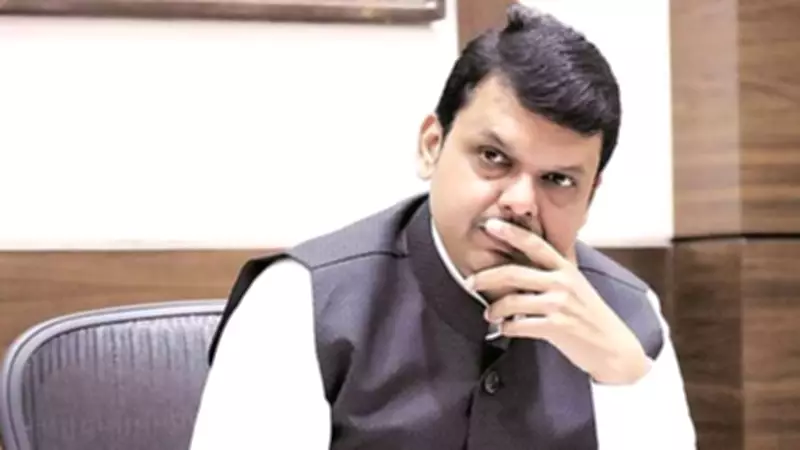
Maharashtra Chief Minister Devendra Fadnavis has publicly affirmed that the interests of the state's farmers will be safeguarded and that they will not experience any adverse effects from the recently announced Indo-US trade deal. This statement comes amid growing concerns from agricultural organizations regarding potential market disruptions.
Farmers' Concerns and Government Response
During the Advantage Vidarbha 2026 business conclave in Nagpur, Fadnavis addressed questions about whether soybean and cotton cultivators might face challenges or lose market share due to the trade agreement. He emphasized, "That is not going to happen. Farmers are well protected. The government is buying a large share of soybean produce at the Minimum Support Price (MSP), and the market price has also stabilised."
The Advantage Vidarbha event is a three-day initiative designed to attract investments to the mineral-rich yet drought-prone Vidarbha region. Farmer groups in Maharashtra have expressed apprehension that unrestricted imports of agricultural products under the deal could severely impact local farmers, who may struggle to compete with the advanced agricultural sector of the United States.

Details of the Indo-US Trade Deal
The joint statement released by India and the United States outlines that India will eliminate or reduce tariffs on a broad spectrum of US goods. This includes all US industrial products and a wide array of food and agricultural items such as dried distillers' grains (DDGs), red sorghum for animal feed, tree nuts, fresh and processed fruits, soybean oil, wine, and spirits. Additionally, India has committed to addressing long-standing non-tariff barriers to trade in US agricultural products.
US Agriculture Secretary Brooke Rollins previously highlighted that the agreement would enable increased exports of American farm products into India's substantial market. Currently, the United States primarily exports tree nuts like almonds and pistachios, followed by cotton and soybean oil to India. In contrast, India's agricultural exports to the US include seafood, spices, rice, vegetable oils, and processed fruits and vegetables.
Farmer Organizations Voice Opposition
Raju Shetti, president of the Swabhimani Shetkari Sanghatana, has voiced strong opposition to the trade deal. In a letter to the Prime Minister's Office, Shetti described the potential import of agricultural products at zero tariffs as a "betrayal of Indian farmers," warning that it could flood the Indian market with US goods such as soybean, corn, and dairy products. He argued that US farmers operate at a much larger scale with stabilized markets, making it difficult for Indian farmers to compete without a level playing field.
Soybean and cotton are critical cash crops for the majority of farmers in the Vidarbha and Marathwada regions of Maharashtra. The trade dynamics show that the US runs a trade deficit with India in agricultural products, importing more than it exports. Although this deficit has been narrowing, decreasing from $3.5 billion to $3.1 billion in 2025, agricultural and dairy products remain key points of contention in trade negotiations.
Economic Context and Future Implications
The Indo-US trade deal is part of broader efforts to enhance bilateral trade relations, with the US pushing for greater market access in India. While the deal aims to boost economic ties, it has sparked debates about the protection of domestic agricultural sectors. Fadnavis's reassurances focus on the existing support mechanisms like MSP, which are intended to buffer farmers from market volatility.
As discussions continue, the impact on India's agricultural landscape will be closely monitored, with farmer welfare at the forefront of policy considerations. The government's commitment to procurement and price stability will be crucial in mitigating any potential negative consequences from increased international trade.






