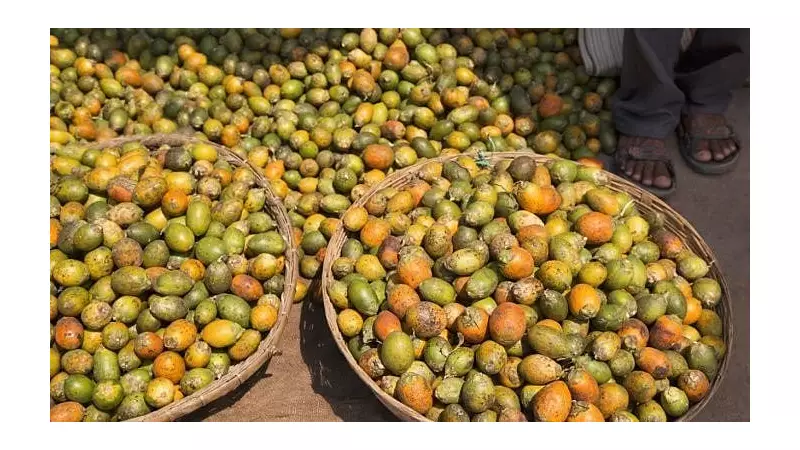
Captain Brijesh Chowta, the Member of Parliament representing Dakshina Kannada, has made a strong appeal to the central government. He is demanding an immediate ban on the duty-free import of arecanut from neighbouring countries. The MP argues that this influx is severely damaging the domestic arecanut market and hurting Indian farmers.
The Data Behind the Demand
Chowta presented compelling trade data to support his call for a policy change. He revealed that between September 2023 and August 2024, a single country dominated the import landscape. Bhutan accounted for a staggering 57 per cent of all arecanut import shipments into India during this period.
The second-largest contributor was Myanmar, which supplied 39 per cent of the imported arecanut. Sri Lanka's share was significantly smaller, at approximately 2 per cent. This data highlights the overwhelming reliance on imports from Bhutan and Myanmar under the current duty-free regime.

Impact on Domestic Growers and Market
The core of MP Chowta's argument centres on the adverse effects these duty-free imports have on local agriculture. Arecanut cultivation is a vital economic activity for thousands of farmers in his constituency of Dakshina Kannada and across Karnataka. The cheap, duty-free inflow from neighbouring nations depresses local market prices.
When domestic produce must compete with large volumes of untaxed foreign arecanut, it creates an uneven playing field. Indian farmers struggle to get remunerative prices for their crop, leading to financial distress. Chowta's demand aims to shield these farmers from what he perceives as unfair international competition facilitated by the current import policy.
Looking Ahead: Policy and Farmer Welfare
The MP's demand places a spotlight on the ongoing tension between trade policies and agricultural livelihoods. A ban on duty-free imports would likely increase the cost of imported arecanut, potentially making domestic produce more competitive. This could stabilise or increase prices for Indian growers.
The government now faces a decision that balances international trade agreements with the welfare of a significant agricultural community. The outcome of this demand will be closely watched by arecanut farmers across Karnataka and other producing states, who are seeking protection and fair value for their harvest.