

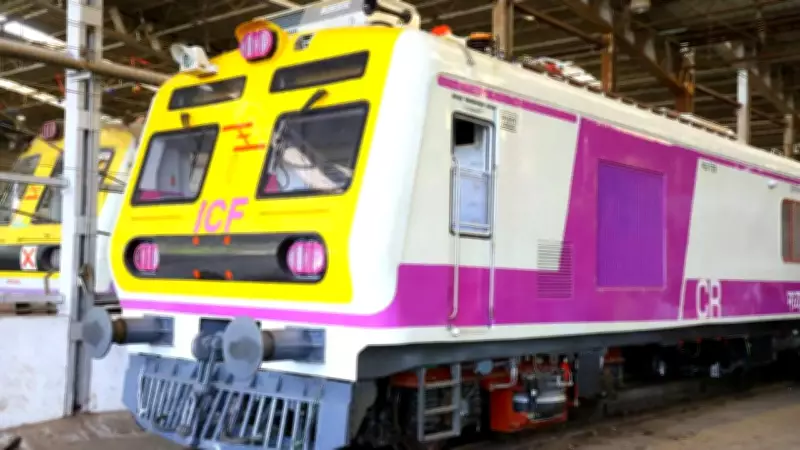
Mumbai's First Closed-Door Local Train Arrives at Kurla Car Shed
In a significant development for Mumbai's suburban railway system, the city's first non-AC local train equipped with automatic door closure has officially arrived at the Kurla car shed. This new 12-car rake represents a major step forward in modernizing daily commuting infrastructure and introducing enhanced safety measures for millions of passengers who rely on the local train network every day.
Focus on Passenger Safety and Convenience
The introduction of this train comes with a clear primary objective: improving passenger safety and convenience throughout the suburban railway system. The automatic door closure system is specifically designed to reduce risks associated with overcrowding and traditional open-door travel, particularly during peak commuting hours when trains are most crowded.
Modern Features for Enhanced Daily Commuting
The new train incorporates several upgraded features aimed at making everyday travel more comfortable and efficient. These include improved compartment designs, enhanced seating arrangements with better space utilization, and dedicated areas for luggage storage. The train also features six-coach units connected through vestibules, allowing for easier movement between compartments while maintaining the familiar layout that daily commuters expect.

- Automatic door closure system replacing traditional open-door design
- Larger windows measuring 1,900 mm compared to 900 mm in current locals
- High-capacity ventilation with blowers supplying 10,000 cubic meters of air per hour
- Overhead glass panels and louvered designs for improved airflow
- Design specifically aimed at reducing overcrowding-related accidents
Comprehensive Testing Before Public Deployment
Railway officials have confirmed that the train will undergo final trials before being introduced for public use. These comprehensive tests will ensure operational readiness and verify all safety systems function properly before full-scale deployment across Mumbai's suburban network. The trials represent a crucial phase in the implementation process, allowing authorities to address any potential issues before commuters begin using the new system.
Addressing Ventilation and Comfort Concerns
To tackle potential ventilation issues in closed compartments, the train incorporates multiple airflow solutions. In addition to the high-capacity blowers, the design includes overhead glass panels and strategically placed louvered sections that work together to maintain adequate air circulation throughout the train. The larger windows also contribute to a more open, less cramped interior feeling, significantly improving passenger comfort during both short and long journeys.
Maintaining Familiar Passenger Segregation
While introducing these modern upgrades, the train maintains the familiar passenger segregation system that Mumbai commuters have come to expect. The design includes designated coaches for women and first-class passengers, ensuring continuity in passenger organization while providing upgraded infrastructure and enhanced safety features across all sections of the train.
Expected Impact on Mumbai's Commuting Experience
The arrival of Mumbai's first closed-door local train marks a substantial shift in the city's approach to suburban railway safety and modernization. By limiting open access and implementing automatic door systems, authorities anticipate a smoother, safer, and more controlled commuting experience, particularly during the notoriously crowded rush hour periods. This development represents the beginning of what could become a broader transformation of Mumbai's suburban railway infrastructure in the coming years.






