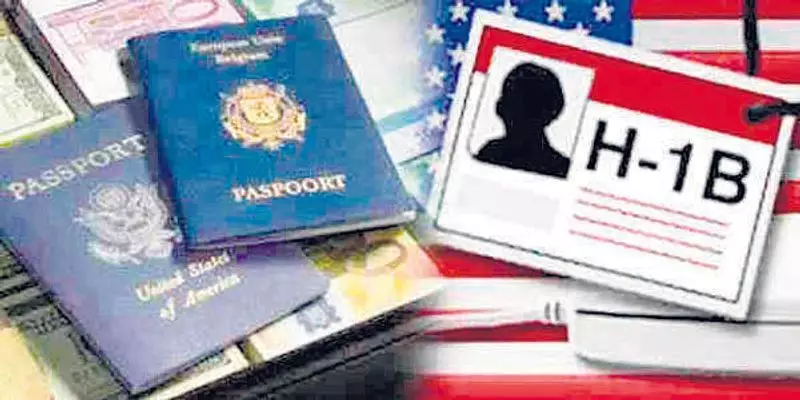
The leading voice of India's technology industry, Nasscom, has raised significant red flags regarding a recent and fundamental change in the United States' H-1B visa selection process. The core of the concern lies in the US Citizenship and Immigration Services (USCIS) decision to replace the traditional random lottery system with a new method that prioritizes applications based on the salary level offered.
Understanding the New H-1B Selection Mechanism
This pivotal shift, which was implemented for the current fiscal year's H-1B cap season, fundamentally alters how coveted visas are allocated. Under the old system, all registrations submitted for the annual cap were entered into a random computerized draw, provided they met basic eligibility criteria. The new regulation, however, introduces a wage-level hierarchy as the primary filter.
In practice, the USCIS now selects registrations starting with those offering the highest wage level for the specific occupation and geographic area, as defined by the Department of Labor. This means petitions offering Level IV wages (the highest on the scale) are chosen first, followed by Level III, and so on, until the annual numerical cap is filled. This model was formally adopted through a final rule issued in January 2021 during the final days of the Trump administration.

Nasscom's Multifaceted Critique and Legal Apprehensions
Nasscom has articulated a robust critique of this policy change, highlighting several critical flaws. The industry body argues that the new system contradicts the original legislative intent of the H-1B program, which was designed to help US companies fill gaps in their workforce with specialized talent, not solely the most expensive candidates.
From a legal standpoint, Nasscom contends the rule may be vulnerable to challenge. It points out that the Immigration and Nationality Act, which governs the H-1B program, does not explicitly authorize the Department of Homeland Security (DHS) to use wage levels as a selection criterion. This, they suggest, could represent an overreach of regulatory authority.
Furthermore, the association emphasizes the negative economic consequences for both the US and India. For American companies, especially small and medium-sized enterprises (SMEs) and non-profit research institutions, the rule makes it prohibitively expensive to access global talent, stifling innovation. For India's IT sector, a primary beneficiary of the program, it creates uncertainty and could disrupt long-standing project and service delivery models.
Broader Implications and the Call for Review
The implications of this wage-centric selection process extend beyond immediate visa allocations. Nasscom warns it could inadvertently encourage the outsourcing of more jobs outside the United States, as companies seek cost-effective talent in global delivery centers rather than paying premium wages to bring that talent onshore.
There is also a concern about potential discrimination, as the rule might systematically disadvantage younger professionals and recent graduates who, by virtue of experience, typically command lower wage levels despite possessing critical and emerging skills.
While the rule is currently in effect, Nasscom's stance indicates that the debate is far from over. The industry body is actively engaging with stakeholders and likely evaluating all options, including potential legal avenues, to advocate for a more balanced and legislatively sound approach to H-1B visa allocations that serves the mutual interests of both economies.