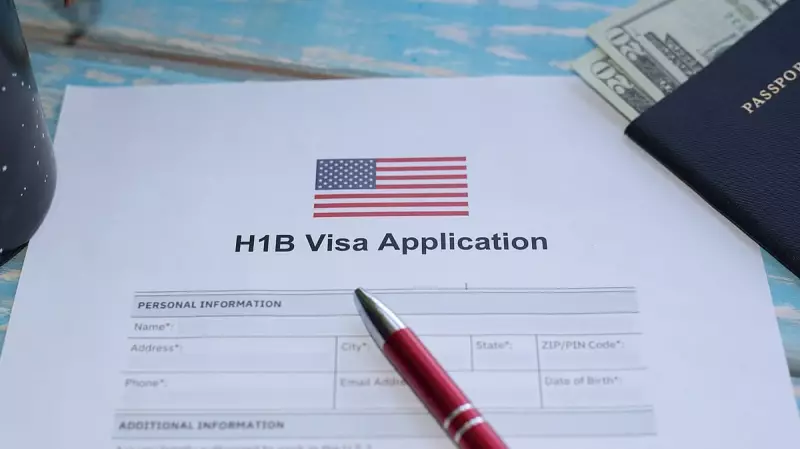
The National Association of Software and Service Companies (Nasscom) has raised significant concerns regarding the potential risks associated with a new policy for selecting H-1B visa applications. The industry body warns that a proposed shift to a wage-level-based selection process could adversely affect a substantial segment of Indian IT professionals and recent graduates from American universities.
Core of the Concern: Impact on Entry-Level Talent
At the heart of Nasscom's warning is the impact on petitions filed under Level I and Level II wage bands. According to the association, these wage levels frequently correspond to entry-level roles designed for fresh graduates. These positions are crucial for individuals who have completed their studies in science, engineering, and computing disciplines at US institutions and are seeking to launch their careers.
The proposed policy, which would prioritize applications offering higher wages, inherently favors more experienced candidates. Nasscom argues that this creates an uneven playing field, potentially shutting out talented new entrants who are essential for filling skill gaps and driving innovation in the US tech sector.

Potential Consequences for the IT Sector and Bilateral Ties
The implications of this policy shift are far-reaching. For the Indian IT industry, which has long relied on the H-1B program to deploy skilled professionals for projects in the United States, this could mean restricted access for a key segment of its workforce. It may force companies to rethink their talent deployment and recruitment strategies for US-based projects.
Furthermore, the policy could undermine the career prospects of thousands of international students, including many Indians, who invest in US education with the hope of gaining practical work experience post-graduation. This dynamic might influence future enrollment decisions in American STEM programs.
Looking Ahead: Advocacy and Adaptation
Nasscom's statement, highlighted by Uma Kannan and published on 25 December 2025, serves as a formal alert to policymakers and stakeholders. The industry body is expected to engage in advocacy, urging a reconsideration of the policy to ensure it does not inadvertently harm the flow of early-career STEM talent.
Companies and professionals are advised to stay informed about the final rules and prepare for potential changes in visa application strategies. The evolving US visa policy landscape remains a critical factor for the global technology and services industry, with significant ramifications for India-US economic and professional exchanges.