Centre Greenlights New Railway Line for Adani and Vedanta Bauxite Mines in Odisha
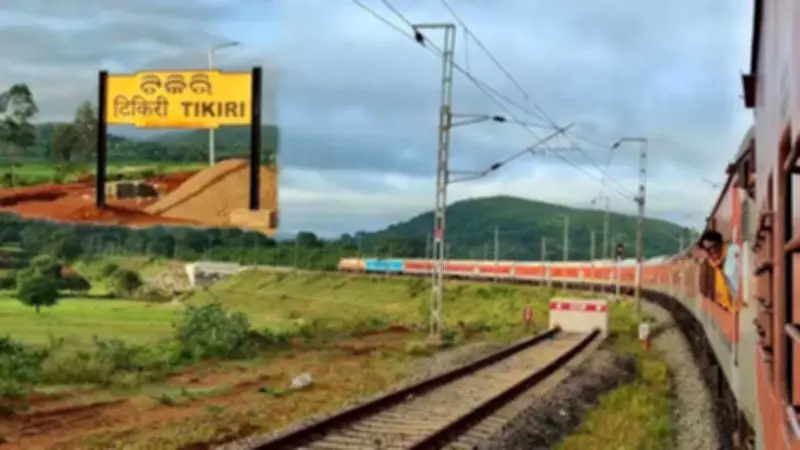
The Central government has officially notified the construction of a new broad-gauge railway line that will link Tikiri station to the Kutrumali and Sijimali bauxite mines in Odisha. These mining sites are owned by the Adani Group and Vedanta Group, respectively, marking a significant infrastructure development aimed at boosting mineral transport in the region.
Project Details and Corporate Involvement
According to official sources, the Adani Group's wholly owned subsidiary, Kalinga Alumina, has proposed opencast mechanised mining operations covering 701.79 hectares in the Kutrumali area. In parallel, Vedanta is set to undertake bauxite mining on a larger scale, spanning 1,549 hectares in the Sijimali region. The new railway line, estimated to be approximately 55 kilometers in length, will facilitate the efficient transportation of bauxite from these two hills to broader markets.
A senior railway official emphasized the urgency of this project, stating, "The railway line will be constructed without any delay. Here, the railways will acquire land, complete the process on a war footing, and start construction promptly." Although a detailed project report is still in the preparation phase, the initiative is planned as a public-private partnership, with both Adani and Vedanta contributing investments to support the infrastructure development.

Background of Local Unrest and Protests
This development occurs against a backdrop of recent violence and protests in the Sijimali area. On April 7, villagers from Kantamal and nearby localities in Rayagada district clashed with police during a protest against a proposed road leading to the mining site. The confrontation resulted in injuries to over 70 individuals, including 58 police personnel, highlighting deep-seated tensions over mining activities and environmental concerns.
Activist Prafulla Samantara criticized the government's approach, asserting that "the state govt and Centre are in no mood to listen to the pleas of villagers who are against mining and destruction of the environment." He pointed to the recent railway project notification as evidence of this stance, underscoring the ongoing conflict between industrial development and community welfare.
Government Perspective on Development and Land Acquisition
In response to the protests, Revenue Minister Suresh Pujari defended the project, arguing that regional development hinges on public cooperation. He stated, "Govt is reviewing and analysing the land acquisition-related issues faced by the tribals. If people protest against industry, mining, railway and highway projects, how will development happen in the state?" Pujari's comments reflect the government's prioritization of economic growth, even as it acknowledges the challenges in balancing industrial interests with tribal rights and environmental preservation.
The notification of this railway line underscores a broader trend of infrastructure-driven growth in Odisha, aimed at leveraging the state's rich mineral resources. However, it also raises critical questions about sustainable development and the inclusion of local communities in decision-making processes.