

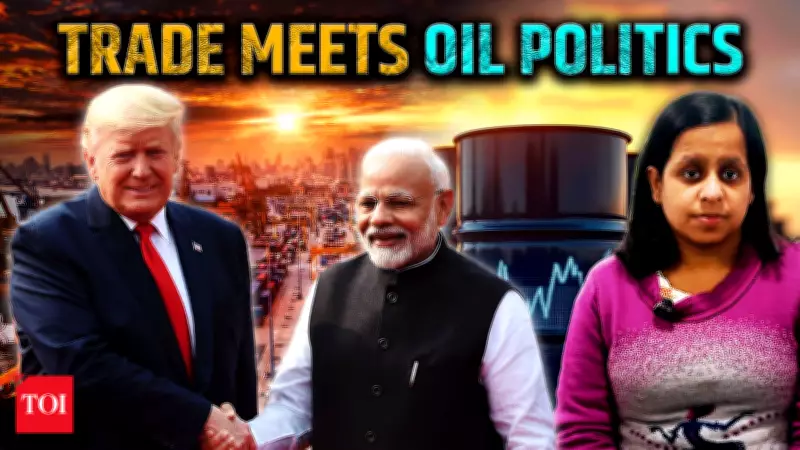
Beyond Tariffs: The India–US Deal and the Politics of Oil
The recently announced India–United States trade agreement has captured significant attention for its provisions on tariff reductions and market access relief. However, a deeper analysis reveals that the pact is intricately connected to broader geopolitical issues, particularly concerning oil imports, international sanctions, and national energy security strategies.
The Surface-Level Trade Benefits
On the surface, the trade deal promises substantial economic advantages for both nations. Key components include:
- Reduced tariffs on various goods and services, facilitating smoother bilateral trade flows.
- Market relief measures designed to address longstanding trade imbalances and barriers.
- Enhanced cooperation in technology and innovation sectors, boosting economic growth prospects.
These elements are expected to strengthen economic ties and provide immediate benefits to businesses and consumers in both countries.

The Underlying Geopolitical Dynamics
Beneath the trade-focused announcements, the agreement is profoundly influenced by energy politics. India's continued import of Russian oil, despite Western sanctions following geopolitical conflicts, has created diplomatic tensions with the United States.
- Energy Security Imperatives: For India, securing affordable energy sources for its 1.4 billion population remains a supreme national priority. This necessity often conflicts with U.S.-led sanctions regimes targeting oil exports from certain nations.
- Sanctions and Diplomatic Choices: The trade deal negotiations have had to navigate the complex landscape of international sanctions, requiring delicate diplomatic balancing acts from both sides.
- Global Power Shifts: The agreement reflects evolving global alliances, with India maintaining strategic autonomy in its energy procurement while strengthening economic partnership with the United States.
Recent Context and Tensions
The trade discussions have occurred against a backdrop of notable diplomatic exchanges. Former U.S. President Donald Trump's administration had previously expressed frustration with India's energy policies, including:
- Threats of additional tariffs if India continued purchasing Russian oil.
- Concerns about India's growing economic and strategic engagements with other global powers.
- Public statements highlighting tensions between energy security priorities and sanction enforcement.
These elements have added layers of complexity to the trade negotiations, making the final agreement a significant diplomatic achievement.
The Broader Implications
This trade deal demonstrates how economic agreements between major nations are increasingly shaped by non-trade factors. Key implications include:
Energy security considerations are becoming central to international trade discussions, particularly for developing economies with large populations. The need for reliable, affordable energy sources can override other diplomatic concerns, creating new challenges for global governance structures.
The future of India-US relations will likely continue to balance economic cooperation with divergent approaches to energy procurement and sanction compliance. This agreement establishes a framework for managing these differences while pursuing mutual economic benefits.
As global energy markets evolve and geopolitical alliances shift, trade agreements like this India-US deal will increasingly serve as instruments for managing complex international relationships beyond mere economic exchange.






