

Pakistan Implements Emergency Measures as Middle East Crisis Fuels Economic Turmoil
The ongoing Middle East crisis has now surpassed the one-month mark, creating significant global economic disruptions that are particularly acute in energy-importing nations. Countries worldwide are implementing various strategies to protect consumers from soaring fuel costs while attempting to maintain stable energy reserves. Pakistan finds itself at the epicenter of this volatility, facing severe challenges due to its heavy reliance on imported energy.
Energy Vulnerability and Immediate Government Response
Pakistan imports approximately 85% of its energy supplies through the strategically vital Strait of Hormuz, making the nation exceptionally vulnerable to Middle Eastern geopolitical tensions. Since the conflict began on February 28, the Pakistani government has implemented multiple petrol price increases, with the most recent adjustment occurring on Friday. This latest hike triggered immediate public outrage and forced authorities to announce comprehensive relief measures.
The government's emergency package includes making all state-run public transportation completely free for thirty days in Islamabad and Punjab province. Interior Minister Mohsin Naqvi confirmed this initiative, noting that the government would absorb an estimated cost of 350 million rupees to provide this temporary relief to commuters.

Fuel Price Rollercoaster and Public Unrest
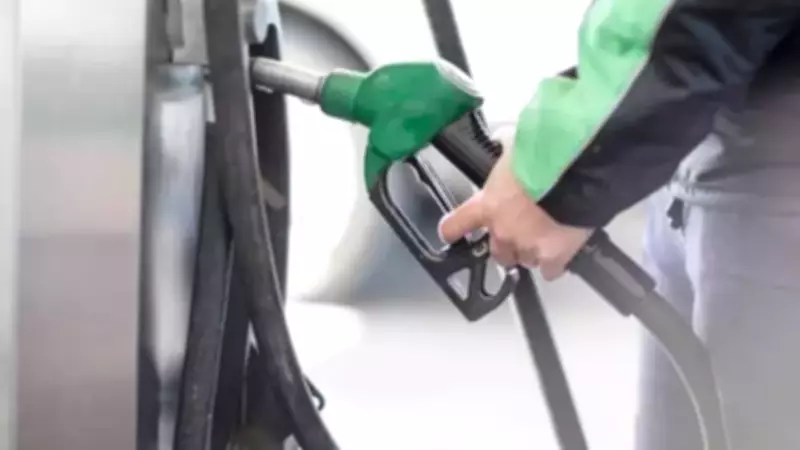
The crisis reached a boiling point when petrol prices were initially increased by a staggering 42.7% overnight, reaching 485 rupees per liter. This dramatic spike prompted immediate protests and created long queues at fuel stations across the country. Facing mounting public pressure, Prime Minister Shehbaz Sharif announced a partial reversal of the increase during a televised address.
"This decrease will be applicable for at least one month," Prime Minister Sharif declared, adding, "I promise I will not rest until your life is back to normal." The revised price settled at 378 rupees per liter, providing some temporary relief to consumers.
Diesel prices followed a similar pattern, with the government initially increasing High-Speed Diesel (HSD) by 184.49 rupees per liter before abolishing the levy, ultimately reducing the financial burden on citizens.
Regional Relief Measures and Subsidy Programs
Punjab province has implemented parallel measures, eliminating public transport fares and introducing "targeted subsidies" specifically designed for trucks and buses. Chief Minister Maryam Nawaz Sharif appealed directly to transport operators, urging them not to transfer additional costs to passengers during this difficult period.
"We promise to relieve the public of economic burden as soon as conditions improve," she assured citizens. Meanwhile, the Sindh government has announced its own subsidy program focused on supporting motorcyclists and small-scale farmers in Karachi and surrounding regions.
Global Context and Broader Economic Impact
The current crisis stems from escalating tensions in the Middle East, particularly involving the United States, Israel, and Iran. Retaliatory strikes across the Gulf region have significantly disrupted maritime traffic through the Strait of Hormuz, creating supply chain bottlenecks that affect energy markets worldwide.
Pakistan has responded with additional conservation measures, including implementing a four-day workweek for many government offices, extending school holidays, and transitioning to online education where feasible. These steps aim to reduce national fuel consumption during this period of extreme economic pressure.
Public Protest and International Implications
Protests erupted in Lahore following the initial fuel price announcement, with demonstrators expressing frustration over the government's economic policies. "The government, overnight, has dropped a 'petrol bomb' on its people," stated Naveed Ahmed, a 39-year-old protester. "Our nation cannot bear this situation right now. This storm of inflation must be stopped, and relief should be provided to the public."

Another protester, Hafiz Abdul Rauf, questioned the official justification for the price increases, suggesting international financial pressure played a significant role. "The rise we are seeing is not due to the (Iran) war, but to pressure from the IMF, pressure that must be resisted," he argued.
The economic strain extends beyond Pakistan's borders. Bangladesh has increased liquefied petroleum gas and compressed natural gas prices by 29%, while the International Monetary Fund has warned that vulnerable economies face dual threats of rising energy costs and supply chain disruptions. Notably, the IMF recently reached a preliminary agreement with Pakistan on a substantial $1.2-billion support package to help stabilize the nation's economy.
With approximately 25% of Pakistan's 240 million citizens living below the poverty line according to World Bank statistics, the current fuel crisis represents more than an economic challenge—it constitutes a humanitarian emergency that requires careful balancing of international obligations and domestic welfare priorities.





