

The business community from Pakistan lost a significant opportunity to display its goods at a major regional trade exhibition after India decided to suspend trade relations with its neighbour. This development occurred in the aftermath of the deadly Pahalgam attack on April 22, which was followed by India's Operation Sindhur. The 19th edition of the Punjab International Trade Expo (PITEX), a key event for fostering cross-border commerce, proceeded without participation from Pakistani traders.
International Players Fill the Void at PITEX
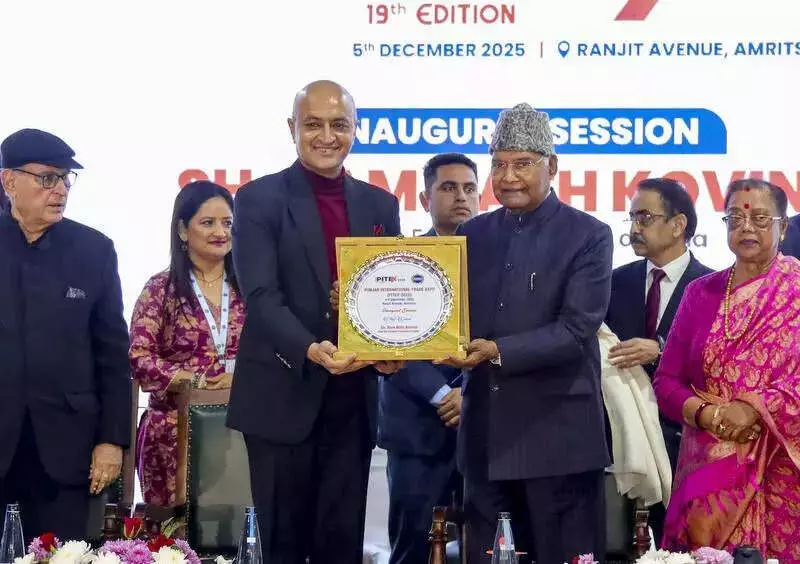
While Pakistani stalls remained empty, several other nations demonstrated strong interest in the expo, viewing it as a crucial platform to strengthen their commercial footprint in the region. Countries including Iran, Egypt, Thailand, and Afghanistan aggressively pursued trade agendas, aiming to capture the market space made available by Pakistan's absence. The expo, which commenced on Thursday, was formally inaugurated by former President of India, Ram Nath Kovind, on Friday.
The scale of PITEX underscores its growing importance. What began as a modest event with just 50 stalls has now expanded to feature 560 stalls. The previous edition attracted over 340,000 visitors, highlighting its role as one of the region's most influential trade gatherings.

Diverse Product Showcase and National Agendas
Each of the participating nations arrived with clear strategies to promote specific sectors. Iran focused on highlighting its petrochemicals, carpets, and dried fruits. Egypt brought forward its textiles, home décor items, and handicrafts. Thailand aimed to connect with buyers for electronics, packaged foods, and wellness products. Meanwhile, Afghanistan showcased its premium saffron, traditional crafts, and medicinal herbs.
Delegations from these countries were actively engaged in securing wholesale orders, establishing partnerships with local distributors, and signing cross-border supply agreements. Their concerted efforts were directed at deepening market access and creating new, sustainable trade channels through this Punjab-based platform.
Punjab's Evolving Economic Landscape
In his inaugural address, former President Kovind acknowledged Punjab's traditional role as the nation's food bowl, crucial for national food security. He, however, emphasized the state's broader economic transformation. "Beyond agriculture, Punjab has also emerged as a centre of trade, manufacturing, MSME growth, and global entrepreneurship," Kovind stated.
He praised the industrious nature and global outlook of Punjab's people, noting their ability to adapt to changing economic scenarios. "This makes Punjab a natural hub for business and innovation," he added. Kovind further stated that PITEX has grown into a landmark platform that successfully brings together domestic and international enterprises, promotes cross-border partnerships, and strengthens economic linkages.
The product diversity at this year's expo reflected this wide-ranging appeal. The showcase included textiles from Gujarat and Jammu & Kashmir, as well as jute goods from eastern India presented by the National Jute Board.
The absence of Pakistani traders at PITEX 2024 marks a significant shift in the trade dynamics of the region, with other nations swiftly moving to solidify their positions and explore new opportunities in the vibrant Indian market, particularly through the gateway of Punjab.






