

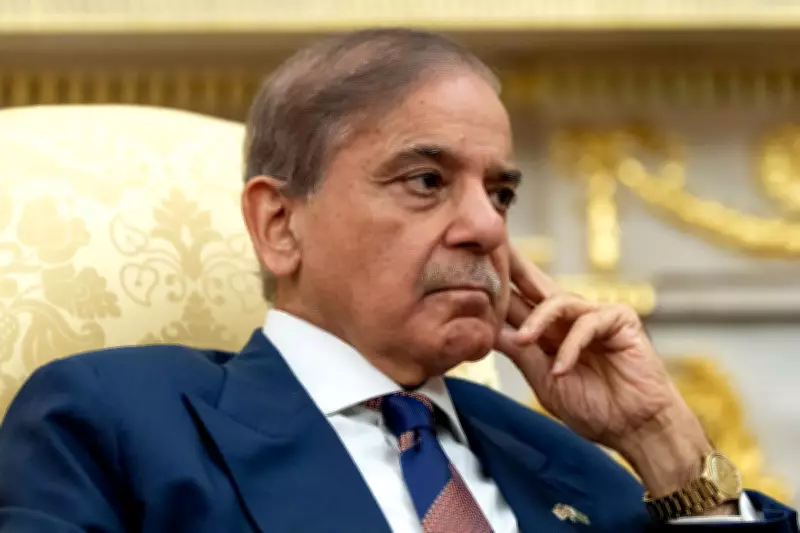
Pakistan Announces Austerity Plan to Mitigate Oil Supply Disruptions
Global oil supplies are under increasing strain as the crisis in the Middle East escalates, sending shockwaves across multiple regions, including Pakistan. In response to these mounting pressures, Prime Minister Shehbaz Sharif has unveiled a comprehensive set of austerity measures aimed at conserving fuel and reducing government expenditure.
Fuel Conservation Initiatives
To address the immediate fuel shortages, the Pakistani government has implemented several key steps. The fuel allowance for official vehicles will be slashed by 50% for the next two months, though essential services like ambulances and public buses are exempt. Additionally, 60% of government vehicles at federal and provincial levels will be grounded during this period, as reported by The Dawn.
Salary Reductions and Spending Cuts
In a move to lead by example, members of the federal and provincial cabinets will forgo their salaries and allowances for two months. Lawmakers at both levels will see their salaries reduced by 25%, while BS-20 government officials earning over Rs300,000 will sacrifice two days' pay, with the funds redirected to public welfare. Exemptions apply to health and education sector employees.

Non-employee related expenditure will be cut by 20% in the fourth quarter across all government establishments. Furthermore, purchases of vehicles, furniture, air conditioners, and other items are banned until June 2026, and foreign travel by officials is restricted to only essential trips for national interests.
Operational Adjustments and Sectoral Impacts
Government offices will shift to teleconferencing and online meetings to save fuel, with official dinners and Iftar parties banned. Seminars and conferences will now be held at government premises instead of hotels. Except for essential services, half of the public sector workforce will work from home, and offices will operate only four days a week, excluding the banking sector.
The education sector is also affected: higher educational institutions will conduct online classes from March 16 to March 31, and schools will observe a two-week break starting March 16. Sharif has warned oil profiteers and hoarders against exploiting the situation, threatening legal action.
Economic Context and Global Implications
Finance Minister Muhammad Aurangzeb has cautioned that soaring crude prices could push Pakistan's oil import bill to around $600 million monthly, as global prices fluctuate amid the escalating Middle East conflict, recently surpassing $100 per barrel. In light of rising fuel costs, Pakistan is seeking relief on the petroleum levy from the International Monetary Fund, confirmed Petroleum Minister Ali Pervaiz Malik.
These measures reflect the government's proactive stance in navigating the economic challenges posed by the ongoing global oil supply disruptions, emphasizing conservation and fiscal prudence during this critical period.






