

Pune-Mumbai Commute Experiences Shift as Rail Traffic Surges Amid Expressway Chaos
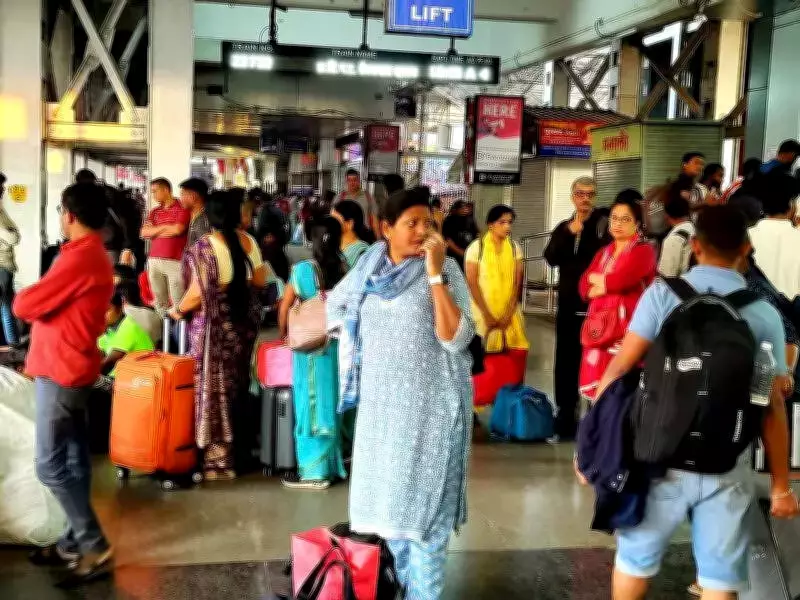
On Thursday, the bustling corridor between Pune and Mumbai witnessed a notable shift in passenger patterns, with inter-city trains experiencing a higher-than-usual load, while state-run buses faced significant disruptions due to a prolonged traffic gridlock on the expressway. This development underscores the ongoing challenges in regional transit and the growing reliance on rail services for efficient travel.
MSRTC Bus Operations Hit by Early Morning Cancellations and Delays
A senior official from the Maharashtra State Road Transport Corporation (MSRTC), stationed at the Swargate depot in Pune, revealed that 20 buses scheduled for Mumbai were cancelled between 5 am and 10 am. The official explained, "Eleven buses managed to depart for Mumbai but encountered severe delays, getting stuck on the expressway for three to four hours. These vehicles carried very few passengers, averaging only 7 to 10 per bus." Operations gradually returned to normal by 11 am, with all 105 trips of E-Shivneri buses from Swargate becoming operational. However, passenger traffic saw a decline of approximately 25%, dropping from the usual 80 passengers per bus to around 60 on Thursday. The official noted that traffic typically increases on Fridays, suggesting a temporary dip due to the mid-week disruptions.
Railways Record Full Capacity and Increased Passenger Numbers
In contrast, Hemant Kumar Behera, the divisional commercial manager and PRO of the Pune rail division, reported that all inter-city trains between Pune and Mumbai were running at full capacity. "Trains such as Deccan Queen, Pragati Express, and Sinhagad Express maintained decent passenger traffic," he stated, adding that passenger numbers had surged significantly on Wednesday. A railway source confirmed an uptick in passengers, particularly in general compartments, on Thursday, highlighting the rail network's resilience amid the road chaos.

Expressway Gridlock Causes Major Travel Hardships
The traffic congestion on the Pune-Mumbai expressway, which began on Tuesday evening and persisted until Thursday morning, led to severe travel inconveniences. Uttam Pawar, a Chembur resident traveling from Sangli to Mumbai, shared his ordeal: "I boarded the bus at 9 pm on Wednesday and reached the Urse toll plaza around 1:30 am, only to remain stuck there until approximately 8:30 am on Thursday." He recounted that two passengers, facing an 11 am flight from Navi Mumbai International Airport, were forced to abandon the bus and walk to their destination. Pawar had traveled to Sangli for a funeral, emphasizing the personal toll of such disruptions.
Experts Advocate for Enhanced Rail Infrastructure
Transport experts emphasized the critical need for a robust rail network between Pune and Mumbai to alleviate such issues. Urban transport expert Pranjali Deshpande commented, "Railways offer faster, seamless, and safer travel options. For regional transit, mass transit by railways is always preferable, as highways inevitably become congested regardless of expansion efforts." Ranjit Gadgil, programme director at Parisar, echoed this sentiment, stating, "Shifting passenger load to trains is essential, especially since we cannot continuously expand road capacity through the eco-sensitive Western Ghats. Ideally, train travel times between the two cities should be reduced, which is not currently the case." While a high-speed rail network was announced in the budget, promising a 48-minute journey from Mumbai to Pune, experts caution that the project will take time to materialize, leaving commuters reliant on existing infrastructure in the interim.
This incident highlights the pressing demand for improved transit solutions on one of India's busiest routes, with rail emerging as a key component for future sustainability and efficiency.






