

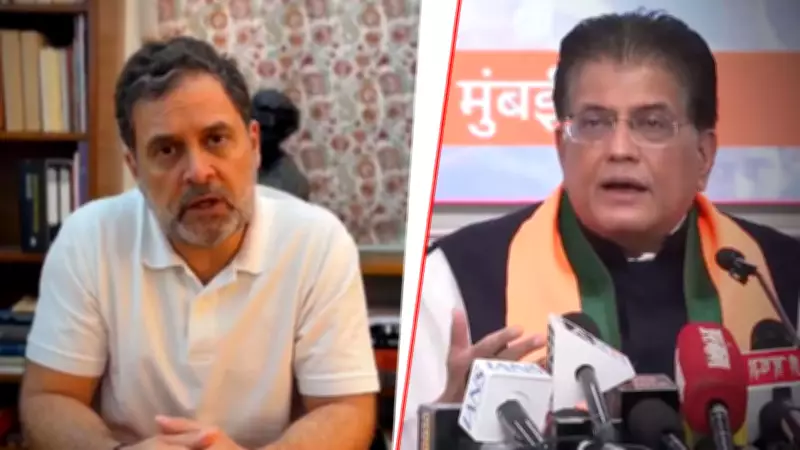
Rahul Gandhi Flags Dhaka's Zero Duty Edge in US Trade Agreement; Piyush Goyal Issues Strong Rebuttal
The political debate over India's proposed trade deal with the United States has intensified dramatically, with Congress leader Rahul Gandhi raising serious concerns about a clause that grants Bangladesh conditional zero-tariff access linked to American cotton imports. Gandhi has accused the government of concealing critical details, arguing that this creates a significant disadvantage for Indian textile exporters.
The "18% vs 0%" Dilemma and Farmer Concerns
Rahul Gandhi highlighted what he termed the "18% vs 0%" dilemma, pointing out that while Indian exporters face an 18% tariff, Bangladesh enjoys zero-duty access to US markets under specific conditions. He emphasized that this arrangement forces India into a difficult position: either import US cotton to gain similar benefits, potentially harming domestic cotton farmers, or avoid such imports and lose competitiveness in the crucial American textile market.
"This trade deal puts our farmers and exporters in an impossible situation," Gandhi stated, bringing cotton farmers, textile exporters, and national trade strategy to the forefront of political discourse. His criticism has sparked widespread discussion about the transparency of trade negotiations and their impact on agricultural communities.

Commerce Minister's Robust Defense of Trade Strategy
Commerce and Industry Minister Piyush Goyal mounted a strong rebuttal to these allegations, dismissing the criticism as unfounded. Goyal asserted that India has robust mechanisms available under existing Special Economic Zone (SEZ) regulations and established trade laws that allow similar import-process-export frameworks.
"We have clear pathways to leverage this agreement without compromising our domestic interests," Goyal explained, emphasizing that the deal would actually lower tariffs for numerous Indian products, boost overall exports, and strengthen India's position against global competitors in the international marketplace.
Broader Implications for India's Trade Policy
The clash between Gandhi and Goyal has evolved into a broader national debate about India's trade strategy and economic sovereignty. Key aspects under discussion include:
- The balance between protecting domestic agriculture and pursuing export growth
- The transparency of international trade negotiations
- India's competitive positioning in global textile markets
- The long-term implications of trade agreements on various economic sectors
This controversy emerges amid ongoing discussions about India's trade relationships with major economies, with the US deal representing a significant component of the country's economic diplomacy. The outcome of this debate could influence future trade negotiations and domestic economic policies, making it a pivotal moment for India's commercial relations on the world stage.






