

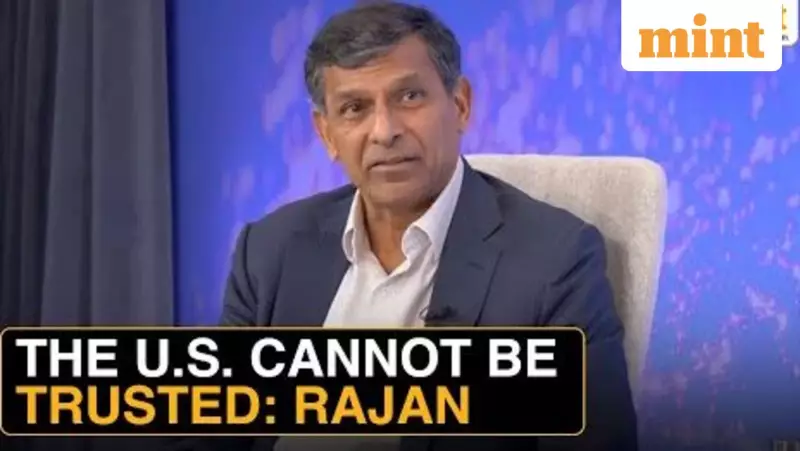
Former Reserve Bank of India Governor Raghuram Rajan has raised significant questions about the true nature of India-US friendship in light of ongoing trade disputes and tariff tensions between the two nations. The prominent economist's comments come at a crucial time when both countries are navigating complex economic relationships.
The Core Concern: Friendship Versus Trade Barriers
Raghuram Rajan directly addressed what he perceives as a contradiction in the India-US relationship. While political rhetoric often emphasizes strong friendship and strategic partnership, the reality of trade barriers tells a different story. The economist pointed to persistent tariff issues and trade restrictions that continue to hamper deeper economic cooperation between the world's largest and fifth-largest economies.
Rajan's analysis suggests that genuine friendship between nations should translate into more open economic policies and reduced trade barriers. His comments highlight the gap between diplomatic statements and ground-level economic realities, particularly concerning market access and tariff structures that affect businesses on both sides.

Context of India-US Economic Relations
The India-US trade relationship has seen both growth and challenges in recent years. While bilateral trade has expanded significantly, reaching approximately $191 billion in 2022, several sticking points remain unresolved. Tariff disputes have been a recurring theme, with both countries imposing duties on various products ranging from agricultural goods to technology products.
Rajan's intervention comes against the backdrop of ongoing negotiations between Indian and American trade officials. Both nations have been working to resolve outstanding issues while exploring new areas of economic cooperation. However, as Rajan suggests, the persistence of these disputes raises fundamental questions about the depth and authenticity of the much-touted strategic partnership.
Broader Implications for Global Trade
Raghuram Rajan's comments extend beyond bilateral concerns to address larger patterns in global trade dynamics. His analysis touches on how major economies navigate the delicate balance between protecting domestic industries and fostering international cooperation. The India-US case serves as a microcosm of broader global trade tensions where strategic partnerships often clash with economic interests.
The former RBI governor's perspective carries particular weight given his extensive experience in international economic policy and his understanding of both emerging and developed market dynamics. His questioning of the India-US friendship in the context of trade barriers reflects concerns shared by many economists and policymakers who observe the gap between political statements and economic actions.
As both nations continue to position themselves in the evolving global economic order, Rajan's comments serve as a crucial reminder that true partnership requires alignment across multiple dimensions – not just strategic and political, but also economic and commercial. The resolution of these tariff disputes will likely serve as a key indicator of the relationship's depth and resilience.






