

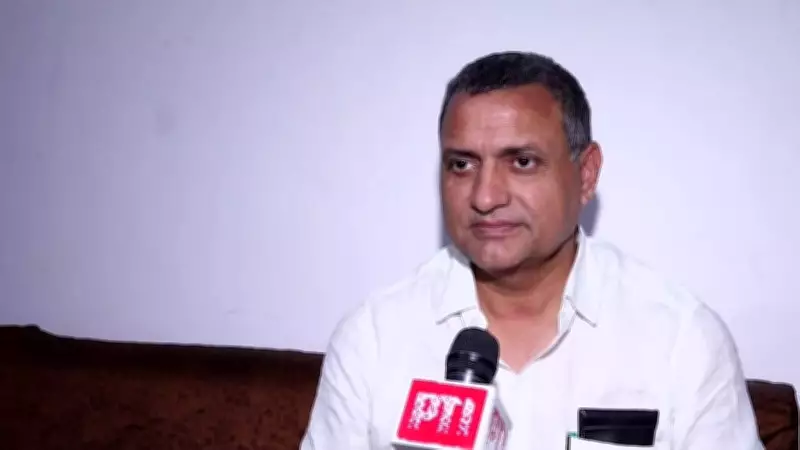
RJD Parliamentarian Issues Grave Warning Over India-US Trade Agreement
RJD MP Sudhakar Singh has delivered a stark warning regarding the proposed India-United States trade pact, describing it as potentially catastrophic for the nation's agricultural community. The parliamentarian's comments come amid ongoing negotiations between the two economic powers, raising significant concerns about the future of India's farming sector.
'Death Sentence' for Agricultural Livelihoods
In forceful remarks, Singh characterized the trade agreement as nothing short of a 'death sentence' for Indian farmers. He emphasized that while India might require imports in strategic sectors such as defense technology or energy resources, agriculture represents an entirely different category that demands special protection and consideration.
The RJD MP argued that agriculture cannot be treated on the same footing as other import-dependent sectors. He pointed to the fundamental differences between industrial goods and agricultural products, noting that farming involves millions of livelihoods, cultural practices, and food security considerations that transcend mere economic calculations.

Fundamental Distinction Between Sectors
Singh elaborated on his position by highlighting the critical distinctions between various import categories:
- Defense imports serve national security interests and technological advancement
- Energy imports address critical infrastructure and development needs
- Agricultural imports directly compete with domestic producers and threaten rural economies
The parliamentarian stressed that while strategic imports in certain sectors might be unavoidable or even beneficial, agricultural imports under a broad trade agreement could have devastating consequences for India's farming communities. He warned that opening agricultural markets to foreign competition without adequate safeguards could undermine decades of agricultural development and policy support.
Broader Implications for Trade Negotiations
Singh's warning comes at a crucial juncture in India-US relations, with trade negotiations representing a significant component of bilateral discussions. His comments reflect growing concerns among certain political factions and agricultural advocacy groups about the potential impact of trade liberalization on India's agricultural sector.
The RJD MP's intervention adds to an ongoing debate about how India should balance its international trade commitments with domestic agricultural interests. As negotiations continue, his remarks highlight the complex considerations policymakers must weigh when determining trade policy parameters, particularly regarding sectors that directly affect millions of livelihoods and the nation's food security framework.






