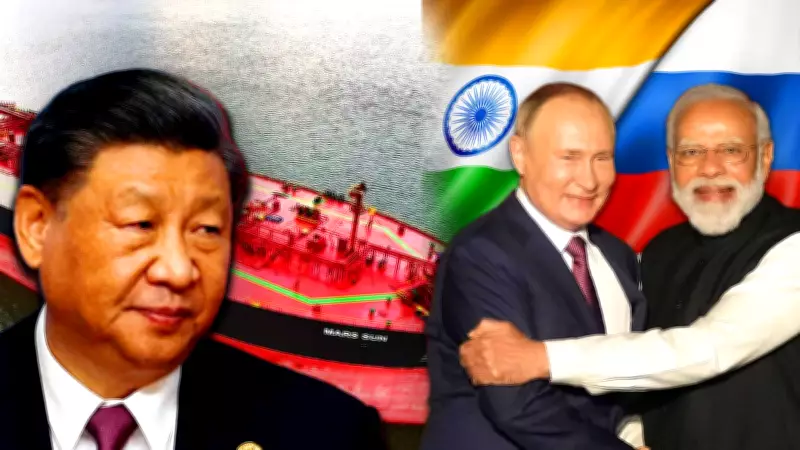
Russian Oil Tanker Bound for China Makes U-Turn to India as Delhi Steps Up Imports Amid Iran War
India is significantly increasing its imports of Russian crude oil as major disruptions in the Strait of Hormuz and the ongoing conflict between the United States and Iran continue to impact global energy supply chains. Recent reports confirm that several oil tankers, originally destined for Chinese ports, have now diverted their routes toward India, indicating a notable shift in international demand patterns and trade dynamics.
Strategic Diversion of the Aqua Titan
The vessel Aqua Titan, carrying a substantial cargo of Urals crude oil, is a prime example of this emerging trend. After altering its course mid-journey, the tanker is now scheduled to arrive at the port of New Mangalore in India. This strategic diversion highlights how geopolitical tensions are forcing rapid adjustments in maritime logistics and energy procurement strategies worldwide.
Surge in Indian Purchases and Data Insights
Shipping data reveals that multiple vessels have executed similar route changes in recent weeks. Indian refiners have been particularly active, collectively purchasing approximately 30 million barrels of Russian crude oil within a single week. This surge underscores India's proactive approach to securing energy resources amid volatile market conditions.

India has consistently reiterated that its energy sourcing decisions are made independently, based on national economic and security priorities. The government emphasizes that these imports are crucial for maintaining energy security and stabilizing domestic fuel prices for its population of over 1.4 billion people.
Broader Implications for Regional Trade
The ongoing redirection of Russian oil cargoes from China to other buyers, including India, is poised to reshape regional trade flows significantly. This trend may lead to a realignment of energy partnerships and influence global oil pricing structures. As traditional supply routes face disruptions, alternative corridors are gaining prominence, potentially altering the geopolitical landscape of energy trade in Asia and beyond.
Analysts suggest that India's increased reliance on Russian crude could have long-term implications for its diplomatic and economic relations with other major powers, including the United States. However, for now, the immediate focus remains on ensuring a steady and affordable supply of energy to support the nation's growing industrial and consumer needs.
This development comes at a critical juncture, as global markets navigate the complexities of conflict-driven supply shocks and evolving international alliances. India's strategic moves in the energy sector are being closely watched by stakeholders worldwide, as they may set precedents for how nations adapt to emerging challenges in the global economy.