

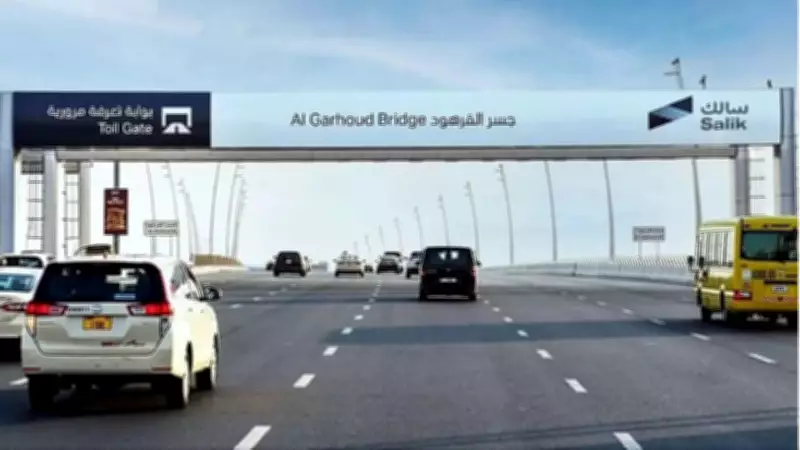
Dubai's Salik Implements Ramadan 2026 Toll Fee Adjustments to Enhance Traffic Flow
With Ramadan 1447 AH (2026) anticipated to commence in the United Arab Emirates on either Wednesday or Thursday, approximately around February 18–19, pending the official moon sighting on February 17, Dubai's prominent road toll operator Salik has unveiled significant modifications to toll fees. These strategic changes are designed to reflect and accommodate the substantial shifts in daily routines that characterize the holy month of Ramadan across the city.
Detailed Breakdown of Salik's Variable Toll Pricing Structure for Ramadan 2026
Salik has proactively introduced a comprehensive variable pricing framework for its toll gates during Ramadan 2026, meticulously crafted to align with the anticipated alterations in traffic patterns. This initiative aims to improve overall traffic flow and enhance commuting comfort, in direct response to the adjusted work and school schedules that are typical during this sacred period.
Monday through Saturday Schedule:

- Peak Rate (Dh6): Applicable from 9:00 AM to 5:00 PM.
- Off-Peak Rate (Dh4): Effective during the extended hours of 7:00 AM to 9:00 AM and 5:00 PM to 2:00 AM.
- Free Toll Period: From 2:00 AM to 7:00 AM, encouraging travel during non-peak hours.
Sunday Schedule (Excluding Public Holidays and Special Events):
- Flat Rate (Dh4): Charged uniformly from 7:00 AM to 2:00 AM, covering both peak and off-peak times.
- Free Toll Period: Maintained from 2:00 AM to 7:00 AM, consistent with other days.
These carefully calibrated adjustments directly mirror the shifted daily rhythm inherent to Ramadan, where conventional working hours and schooling schedules typically start later and conclude earlier. This adaptation is essential to accommodate fasting, prayer observances, and valuable family time, which are central to the holy month's traditions.
Strategic Rationale Behind Salik's Revised Toll Structure in the UAE
The revised toll schedule extends beyond mere pricing alterations; it constitutes an integral component of a broader, strategic initiative to optimize and smooth traffic flow across Dubai's busiest arterial routes throughout Ramadan. The later starts and shorter operational days during this period frequently result in peak travel times shifting significantly compared to the remainder of the year.
Salik's newly implemented timing structure accounts for this dynamic by deliberately extending lower toll periods into the early evening and late night. These are precisely the hours when a substantial number of residents are commuting for iftar (the sunset fast-breaking meal) and evening prayers, or engaging in social gatherings and community events.
Furthermore, the provision of free toll hours during the early pre-dawn period, specifically from 2:00 AM to 7:00 AM, actively supports non-peak travel. This measure accurately reflects the typically reduced road usage during these hours, offering financial incentives for motorists to travel outside conventional busy windows.
Comprehensive Context: Broader Ramadan Preparations Across UAE Services
These toll modifications are implemented alongside wider, seasonal adjustments across various sectors in the UAE as communities diligently prepare for Ramadan. Work hours and school schedules are universally reduced or revised to assist residents in observing fasting and prayer times with greater comfort and convenience.
Parallel adjustments have been reported in other critical transport and city services as part of holistic Ramadan preparations. These include variable parking timings and strategic shifts in public transport schedules. The collective objective of these coordinated changes is to robustly support both residents and visitors during one of the most significant and culturally important months in the UAE's annual calendar.
Essential Takeaways and Practical Guidance for UAE Motorists
Drivers in the UAE should anticipate and prepare for distinct Salik charges during Ramadan 2026. Key points to remember include:

- Peak hours are now firmly established between 9:00 AM and 5:00 PM on weekdays, attracting the highest toll rate.
- Travel during off-peak and late-night hours is notably cheaper or entirely free, strategically encouraging motorists to commute outside traditionally busy periods.
- It is highly advisable to adjust personal commuting plans, particularly around iftar times and in the early mornings, to avoid unexpected toll charges and contribute to smoother city-wide traffic.
As the approach of Ramadan draws nearer, maintaining awareness and keeping track of these specific changes will empower drivers across the UAE to plan their trips more efficiently, optimize travel costs, and consciously avoid higher toll expenses during designated peak windows.





