

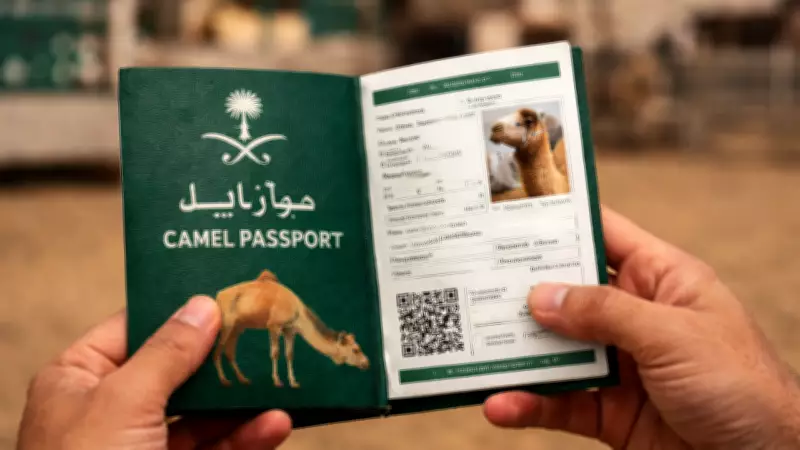
Saudi Arabia has unveiled a groundbreaking digital and regulatory framework specifically designed to bring enhanced order, comprehensive traceability, and greater credibility to its camel sector. This initiative marks a significant advancement in how these culturally and economically important animals are identified, traded, and managed throughout the Kingdom.
Camel Passport Initiative Launched
The innovative Camel Passport program, officially inaugurated on Tuesday, establishes an official digital identity for every registered camel. This system integrates ownership details, comprehensive health records, and precise breed information into a single, government-recognized framework. The initiative is a core component of the ministry's efforts under the National Program for the Development of the Livestock and Fisheries Sector.
Deputy Minister of Environment, Water and Agriculture, Mansour Al-Mushaiti, presided over the project's launch. According to ministry officials, the primary goal is to unify all regulatory and digital systems operating within the camel industry. By formally documenting critical camel data, the program creates an authoritative reference point that will be instrumental for veterinary services, regulatory oversight, and ensuring transparent market operations.

What Does the Camel Passport Include?
Functioning as a comprehensive identification document, the passport ensures each animal can be accurately verified and tracked throughout its life. The document contains a detailed set of information, including:
- Unique microchip number for electronic identification
- Official passport number issued by the authorities
- Registered name of the camel
- Precise date of birth
- Specific breed classification
- Gender of the animal
- Colour and markings
- Documented place of birth
- Date and location of passport issuance
- Photographs of the camel from both sides to ensure precise visual verification
Furthermore, the passport features a dedicated vaccination record section. This portion documents all veterinary immunizations administered to the camel and is officially certified with the name, signature, and official stamp of the attending veterinarian, adding a layer of medical accountability.
Regulating Sales and Ownership Transfers
The ministry has emphasized that this initiative will play a central role in regulating sales and trading activities within the camel market. It is designed to organize transport procedures, formalize ownership transfers, and standardize all official documentation. This structured approach is expected to help protect the legal rights of owners while simultaneously increasing trust and confidence among buyers, sellers, and other participants in the marketplace.
By creating a verified, tamper-proof digital record for each camel, the system is anticipated to significantly reduce ownership and sales disputes, improve end-to-end traceability, and bring much greater clarity and fairness to commercial transactions involving these animals.
Boosting Market Value and Supporting Strategic Planning
The Camel Passport is also projected to enhance the market value of individual camels. Pricing can now be based on accurate, verifiable data regarding the animal's health status, breed purity, and documented lineage. This data-driven approach is expected to increase transparency and fairness in both local markets and international auctions, potentially opening new export opportunities.
Beyond immediate trade benefits, the project will support long-term strategic planning for the national livestock sector. It will generate reliable, aggregated data on camel populations, broken down by critical metrics such as age, gender, breed, and colour. The ministry stated that this wealth of information will help guide national livestock distribution policies, improve breeding efficiency through advanced genetic performance analysis, and support targeted programs aimed at enhancing and preserving local camel breeds.
Collectively, these measures position the Camel Passport as a foundational digital tool for modernizing Saudi Arabia's camel sector while meticulously preserving its profound economic value and deep-rooted cultural importance within the Kingdom.






