

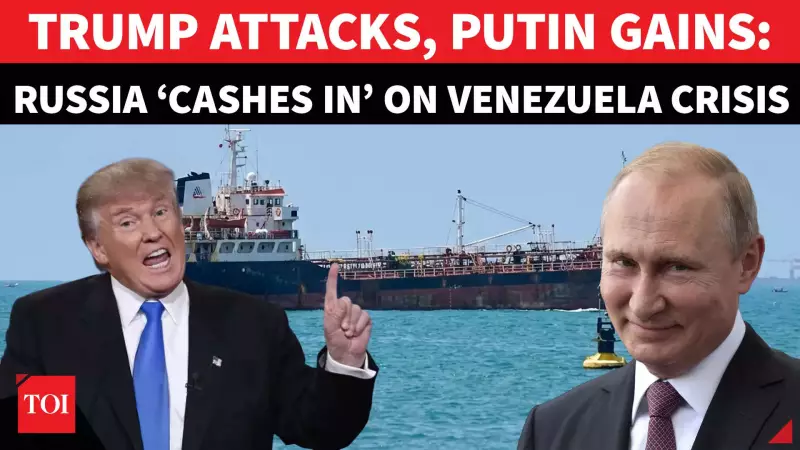
A major shift is taking place on the world's oceans as the United States intensifies its campaign against sanctioned oil. In an unexpected consequence, Washington's aggressive enforcement is pushing a growing fleet of clandestine tankers directly into the protective orbit of Russia, handing President Vladimir Putin greater control over a critical segment of global energy trade.
The Great Reflagging: Tankers Switch to Russian Colors
Maritime intelligence reports reveal a sharp surge in vessels changing their flags to Russia. This move comes as a direct response to the US government's recent seizures of tankers caught transporting crude oil from Venezuela, which is under heavy international sanctions. According to data from the shipping publication Lloyd's List, at least 17 ships underwent this reflagging process in the single month of December 2025.
One prominent example is the oil tanker previously identified as the Bella One, which has now taken on a Russian registry. This vessel is part of a much larger trend that has seen more than 40 ships join Russia's official maritime registry since June 2025. Analysts view this exodus as a clear sign that operators of the so-called "shadow fleet" are actively seeking the cover and protection offered by Moscow to continue their trade unhindered.

Unintended Consequences: Empowering Moscow's Maritime Grip
Security and energy experts warn that the American crackdown, aimed at curbing the flow of revenue to sanctioned regimes, is having a counterproductive effect. Instead of shutting down the trade, it is consolidating it under Russian authority. By offering a safe haven for these tankers, the Kremlin is significantly strengthening its influence over a vast, opaque network of vessels that operate outside normal regulatory frameworks.
This development is not just a diplomatic concern. It raises a triad of serious risks on a worldwide scale:
- Environmental Risk: Shadow fleet tankers are often older, poorly maintained, and operate without standard insurance. This increases the danger of catastrophic oil spills, with little accountability.
- Legal Risk: The reflagging creates complex jurisdictional challenges, making it harder for any nation to enforce sanctions or hold bad actors accountable under international law.
- Geopolitical Risk: It enhances Russia's leverage in global energy markets and provides it with additional economic tools and political influence, complicating Western efforts to isolate it.
A New Phase in the Sanctions Battle
The movement of these tankers marks a new and volatile chapter in the ongoing battle over economic sanctions. The arena has expanded from boardrooms and trading desks to the high seas, where enforcement is difficult and the stakes are immense. As the US continues its pressure campaign on Venezuela, the shadow fleet's pivot to Russia demonstrates the adaptive and resilient nature of illicit oil networks.
This strategic realignment suggests that future sanctions enforcement will need to consider not just the source of the oil or the final buyer, but also the complex web of maritime logistics and flag-state complicity. The situation underscores a challenging reality: in a globalized world, punitive economic measures can sometimes force illicit activities into the arms of other rival powers, creating new security dilemmas even as they attempt to solve old ones.






