

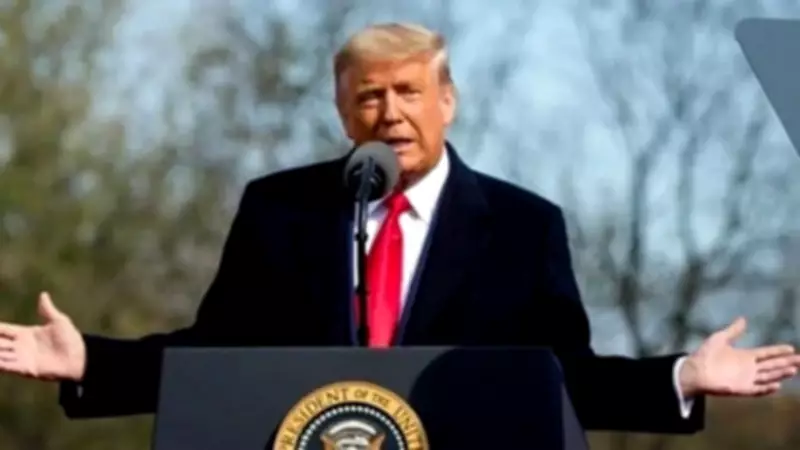
South Korea to Consult with US on Trade Balance After Supreme Court Ruling Against Trump Tariffs
In a significant development for international trade relations, South Korea has announced plans to consult with the United States regarding trade balance issues. This move comes in the wake of a landmark ruling by the US Supreme Court that overturned the broad import tariffs imposed by former President Donald Trump.
Industry Minister's Televised Remarks
South Korea's industry minister made these remarks during a televised address, highlighting the country's intention to engage in discussions with US authorities. The minister emphasized the need to address trade imbalances but notably did not specify what concrete actions, if any, South Korea might take in response to the overturned tariffs.
The tariffs in question were a 15 percent levy imposed by the Trump administration on various trading partners, including South Korea. These duties were part of a broader strategy that has now been invalidated by the highest court in the United States, creating a new dynamic in global trade negotiations.

Background of the Tariff Dispute
The Supreme Court's decision marks a pivotal moment in US trade policy, as it rejected the legal basis for Trump's aggressive tariff measures. This ruling affects not only South Korea but multiple nations that were subjected to these import duties, potentially reshaping international economic relations.
South Korea's approach appears cautious yet proactive, focusing on diplomatic consultations rather than immediate retaliatory measures. The industry minister's statement reflects a strategy aimed at leveraging the court ruling to renegotiate trade terms and restore balance in bilateral commerce.
Implications for US-South Korea Trade Relations
This development occurs against a backdrop of ongoing trade tensions between the two nations. The consultation process is expected to address:
- The removal or adjustment of the 15 percent tariffs that were previously in effect.
- Measures to ensure fair trade practices and reciprocal market access.
- Long-term strategies to prevent future trade imbalances and disputes.
While South Korea has not disclosed specific plans, the announcement signals a shift toward dialogue and cooperation following the judicial intervention. The outcome of these consultations could influence trade policies not only between the US and South Korea but also set precedents for how nations respond to similar tariff reversals globally.
The situation remains fluid as both countries navigate the post-ruling landscape, with South Korea positioning itself to advocate for its economic interests through structured diplomatic channels.






