

Why the Strait of Hormuz Matters for Global Oil Markets
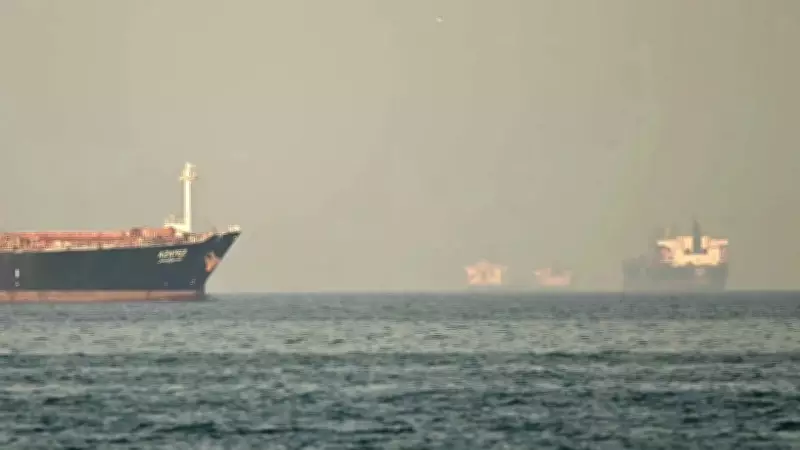
The Strait of Hormuz, a narrow maritime passage between the Persian Gulf and the Gulf of Oman, stands as one of the world's most vital energy arteries. This strategic waterway facilitates the transit of approximately 20% of the global oil supply, making it an indispensable conduit for international trade. Any disruption here sends shockwaves through the entire energy ecosystem, impacting economies and geopolitical stability worldwide.
How Global Oil Supply Could Be Severely Impacted
Geopolitical tensions, military conflicts, or blockades in the Strait of Hormuz pose a direct threat to the uninterrupted flow of crude oil. Major oil-producing nations, including Saudi Arabia, Iraq, the United Arab Emirates, and Iran, rely heavily on this route to export their resources. A closure or significant hindrance could lead to a dramatic reduction in available oil, triggering a sharp spike in global prices. Such a scenario would strain economies, increase inflation, and potentially lead to energy shortages in importing nations.
The ripple effects would be immediate and far-reaching:

- Global oil prices could surge by 30-50% or more within days.
- Shipping costs and insurance premiums for tankers would skyrocket.
- Alternative, longer shipping routes would increase transit times and operational expenses.
- Strategic petroleum reserves in consuming countries would be rapidly depleted.
India's High Vulnerability to Strait of Hormuz Disruptions
India, as the world's third-largest oil importer, is exceptionally vulnerable to any turmoil in the Strait of Hormuz. The nation imports over 80% of its crude oil requirements, with a significant portion sourced from the Middle East via this very chokepoint. A supply disruption would not only escalate fuel prices domestically but also adversely affect India's trade deficit, inflation rates, and overall economic growth.
Key factors amplifying India's exposure include:
- Heavy Reliance on Imports: India's limited domestic production forces a dependency on foreign oil, primarily from the Persian Gulf region.
- Economic Sensitivity: Higher oil prices increase the cost of transportation, manufacturing, and essential commodities, burdening consumers and businesses alike.
- Strategic Concerns: Energy security is paramount for India's development goals; any prolonged disruption could hinder industrial output and national security preparedness.
In conclusion, the Strait of Hormuz remains a linchpin in global energy security. Its stability is crucial for maintaining predictable oil flows and prices. For India, diversifying energy sources, enhancing strategic reserves, and investing in renewable alternatives are imperative steps to mitigate this vulnerability and safeguard its economic future against potential crises in this critical maritime passage.






