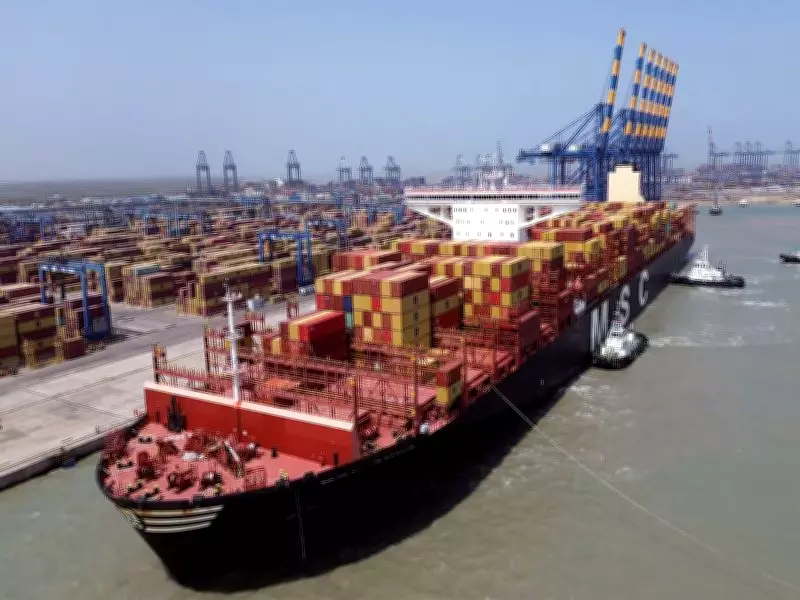
Trade Deals Alone Not Enough as Global Trade Reorders: Structural Factors Key for India, Report Finds
A recent report has underscored a critical insight for India's economic strategy in the evolving global landscape. While trade agreements remain important tools for market access, they are insufficient on their own to secure India's position in the ongoing reordering of global trade. The analysis emphasizes that structural factors, such as infrastructure development, regulatory frameworks, and domestic policy reforms, play a pivotal role in determining long-term competitiveness and growth.
The Limitations of Trade Deals in a Shifting Global Economy
As nations worldwide reassess their trade relationships and supply chains, India has been actively pursuing bilateral and multilateral trade deals to enhance its export potential and attract foreign investment. However, the report cautions that these agreements, though beneficial, cannot compensate for underlying weaknesses in the economy. Without robust structural foundations, trade deals may yield limited benefits or even expose domestic industries to heightened competition without adequate preparation.
The global trade environment is undergoing significant transformations, driven by factors like geopolitical tensions, technological advancements, and sustainability concerns. In this context, India's ability to adapt and thrive depends not just on signing new pacts but on addressing core issues that affect productivity and efficiency.

Key Structural Factors Identified for India's Success
The report highlights several structural areas where India needs to focus to leverage trade opportunities effectively:
- Infrastructure Upgrades: Improving logistics, transportation networks, and digital connectivity to reduce costs and enhance supply chain resilience.
- Policy Reforms: Streamlining regulations, simplifying tax structures, and fostering a business-friendly environment to attract investment and boost innovation.
- Skill Development: Investing in education and vocational training to build a workforce capable of meeting the demands of a modern, globalized economy.
- Technological Adoption: Encouraging the integration of advanced technologies like artificial intelligence and automation to improve manufacturing and services sectors.
By prioritizing these factors, India can create a more conducive ecosystem for trade, enabling it to capitalize on agreements and navigate the complexities of global trade reordering.
Implications for India's Economic Strategy
The findings suggest that India should adopt a holistic approach, balancing trade negotiations with domestic reforms. This dual focus can help mitigate risks associated with global uncertainties while positioning the country as a reliable and competitive partner in international markets. As trade patterns continue to evolve, structural resilience will be key to sustaining growth and achieving economic aspirations.
In summary, while trade deals open doors, it is the strength of India's internal structures that will determine how far it can walk through them. The report serves as a timely reminder for policymakers and stakeholders to invest in foundational elements that drive long-term prosperity in a reordered global trade landscape.