

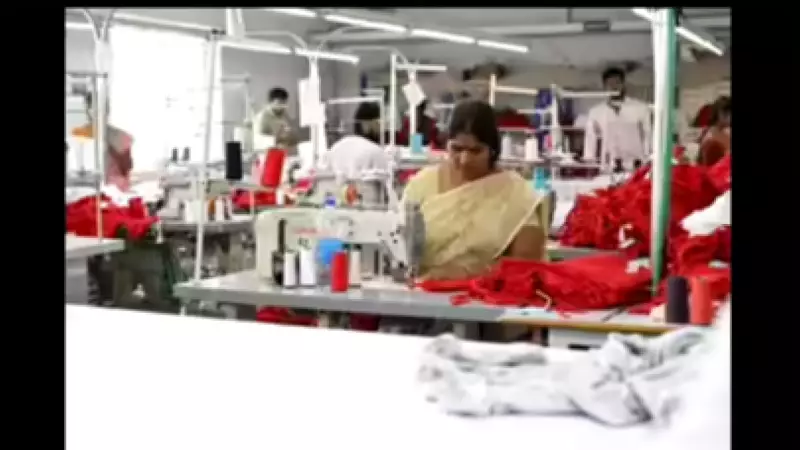
The textile and apparel industry in Tirupur has welcomed the signing of the India–New Zealand Free Trade Agreement (FTA), stating that the pact could boost exports and help triple India’s ready-made garment (RMG) shipments to New Zealand within the next two years.
The agreement was signed between Union commerce and industry minister Piyush Goyal and New Zealand’s minister for trade and investment Todd McClay.
Duty-Free Access to Boost Competitiveness
Apparel Export Promotion Council chairman A Sakthivel said the agreement would provide Indian exporters with 100% duty-free access to the New Zealand market, giving Indian textile and garment products an immediate price advantage. He said it would particularly benefit labour-intensive sectors like garments and textiles, leading to higher export volumes, employment generation and growth of micro, small and medium enterprises across the value chain.

New Zealand imports ready-made garments worth more than US$1.2 billion annually, while India currently accounts for only around 4.4% of that market. He noted that the agreement creates strong opportunities for Indian exporters to expand their presence in categories like cotton T-shirts, shirts, knitwear and other garments. He added that improved market access and competitive pricing could help India treble its garment exports to New Zealand within two years.
Alignment with India’s Strengths
AEPC noted that the FTA aligns well with India’s strengths in cotton-based apparel and offers scope for diversification into man-made fibre segments to better match New Zealand’s import demand trends.
The Tirupur Exporters' Association (TEA) welcomed the agreement, calling it a major milestone for India’s textile sector. TEA president K M Subramanian said the trade deal is expected to attract investments worth US$20 billion into India and strengthen long-term economic cooperation between the two nations. He said the removal of tariffs, currently averaging 4.19% and going up to 10%, would enhance India’s competitiveness in global markets and benefit the textile sector.






