In a significant policy shift, former US President Donald Trump has approved a new federal rule that paves the way for a unique category of small electric vehicles to be legally driven on American roads. This decision could have far-reaching implications for the future of urban mobility and presents a potential new export avenue for electric vehicle manufacturers, including those from India.
What Are These 'Tiny Cars of the Very Near Future'?
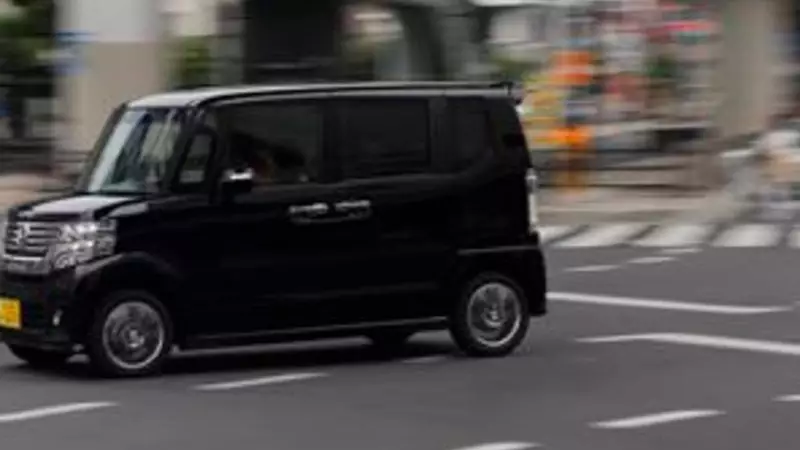
The vehicles in question are officially known as Neighborhood Electric Vehicles (NEVs). These are compact, lightweight, battery-powered cars designed primarily for short trips within local communities, campuses, or planned urban areas. The newly approved rule, championed by Trump, formally recognizes and regulates these vehicles for on-road use.
Key specifications for these NEVs include a mandated top speed of 25 miles per hour (approximately 40 km/h). To meet safety standards, they must be equipped with essential features like headlights, taillights, turn signals, windshields, seat belts, and vehicle identification numbers (VINs). Their design prioritizes efficiency and low-speed utility over highway performance.

The American Manufacturing Push and Global Implications
A central pillar of this initiative is the requirement for final assembly within the United States. This 'Made in America' condition is a direct effort to boost domestic manufacturing and create jobs. The rule is seen as a move to stimulate a new niche within the US automotive sector.
Interestingly, the push for this regulatory change was significantly influenced by a startup named Ellysian. The company plans to manufacture these NEVs in the US. This development highlights how policy can be shaped by emerging industry players with a specific vision for future transportation.
For the global automotive industry, particularly in EV-strong markets like China and India, this creates a new dynamic. While the assembly must happen in the US, there may be opportunities for international companies to supply components, technology, or even form joint ventures to establish production facilities stateside. Indian EV makers, who are rapidly scaling innovation and production, could explore this new segment for technology transfer or strategic partnerships.
A New Niche in Urban Mobility
The approval of NEVs addresses a growing need for sustainable, low-cost, and convenient transportation solutions for short-distance travel. These vehicles are ideal for running local errands, commuting within gated communities, or as shuttle services in corporate or university campuses. They offer an alternative to full-sized cars for trips where high speed is unnecessary, potentially reducing traffic congestion and emissions in dense areas.
This move aligns with a broader, global trend towards diversifying electric mobility options beyond traditional cars and scooters. It acknowledges that a one-size-fits-all approach to transportation is inefficient and that different vehicle types can serve specific urban needs effectively.
The policy signals a formal acceptance of micro-mobility solutions at the federal level in the US. It provides a clear regulatory framework, which encourages investment and innovation in this previously grey area. For consumers, it means more choices for eco-friendly local travel.
In conclusion, Donald Trump's approval of the NEV rule is more than a simple regulatory update. It is a strategic step to foster a new manufacturing niche in America while cautiously embracing a segment of the electric vehicle revolution. The requirement for US assembly protects domestic industrial interests, but the global nature of the auto industry means players from around the world, including India, will be watching closely for opportunities in this newly legitimized market for the 'tiny cars of the very near future'.