India faces a renewed and severe economic threat from the United States, with former President Donald Trump reportedly giving his approval to a new sanctions bill that could impose tariffs as high as 500 per cent on nations purchasing Russian oil. This development places India, a significant buyer of discounted Russian crude, directly in the crosshairs of escalating US economic pressure.
The "Greenlight" for Escalated Sanctions
Veteran Republican Senator Lindsey Graham, a key figure in the US Senate, announced on January 7, 2026, that President Trump had "greenlit" a bipartisan Russia sanctions bill. Graham, the influential chairman of the Senate Budget Committee, stated the legislation is designed to provide Trump with "tremendous leverage" against countries such as China, India, and Brazil. The explicit goal is to force them to stop buying Russian oil, which the US claims finances President Vladimir Putin's ongoing war in Ukraine.
"This bill will allow President Trump to punish those countries who buy cheap Russian oil fueling Putin’s war machine," Graham declared in a statement. He expressed hope for a strong bipartisan vote on the bill as early as the following week. The proposed legislation, co-written by Graham and Democratic Senator Richard Blumenthal, empowers the US administration to impose secondary sanctions and punitive tariffs on nations importing Russian oil, gas, uranium, and other exports.

Mounting Pressure on India's Trade and Diplomacy
This legislative move intensifies the pressure on India, which is already grappling with significant trade barriers imposed by the Trump administration. Since August 27 of the previous year, additional 25 per cent tariffs have made India the hardest-hit country globally, severely impacting its exports to the US and deterring investments. Currently, India faces total tariffs of 50 per cent on many of its exports to the United States, one of its top trading partners, leading to a notable dent in trade volumes.
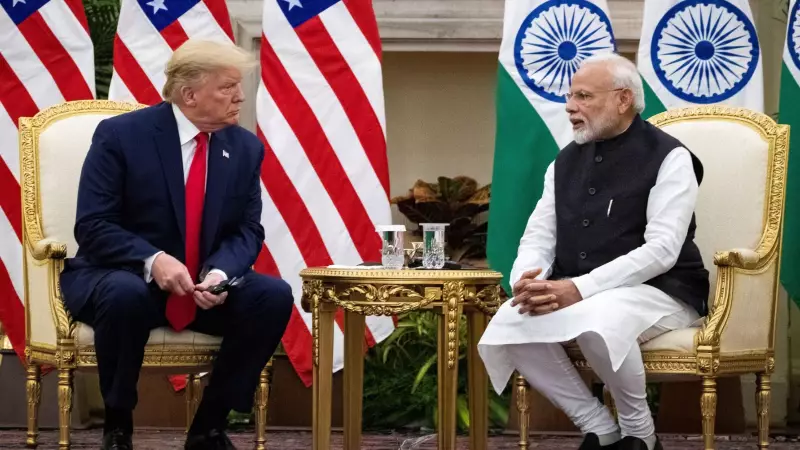
The friction over energy imports has been a persistent point of contention. Earlier in the week, on January 5, Senator Graham revealed that Indian Ambassador to the US, Vinay Kwatra, had informed him of New Delhi's efforts to reduce Russian oil purchases. The ambassador reportedly asked Graham to convey a message to President Trump to "relieve the tariff" burden on India. However, Trump, while standing next to Graham on Air Force One, had previously stated that Prime Minister Narendra Modi "knew he was not happy" with India's Russian oil imports and warned that Washington could raise tariffs on New Delhi "very quickly."
India's Shifting Import Patterns and Ongoing Negotiations
Data suggests India has already been adjusting its energy imports in response to earlier pressures. Official trade figures indicate that India's imports from Russia declined by over 18 per cent between April and October 2025 compared to the same period the previous year. This downward trend has been observed since September 2025, following the initial imposition of the 25 per cent tariffs in August.
Amid this tense backdrop, India and the United States continue their negotiations for a broader trade deal, with both sides hoping to conclude it swiftly. However, the talks have been ongoing for nearly a year, and significant uncertainty persists. The threat of monumental 500 per cent tariffs adds a critical new dimension to these discussions, potentially forcing India to make difficult strategic choices between its energy security, its economic relationship with Russia, and its crucial trade partnership with the United States.
The White House had earlier sought revisions and more flexibility for Trump in the sanctions package, though it remains unclear what changes, if any, were incorporated into the final bill Graham is now advancing.