

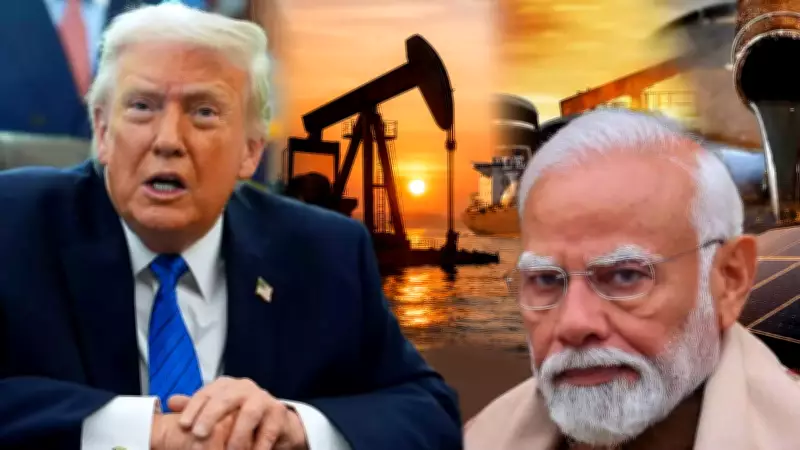
Trump's Venezuela Oil Declaration for India Sparks Global Energy Trade Debate
President Donald Trump's recent assertion that India will opt for Venezuelan oil instead of Iranian crude has ignited a fiery debate across international energy and diplomatic spheres. Made to reporters aboard Air Force One en route to Florida, this pronouncement underscores the United States' strategic efforts to redirect India's crude imports away from nations facing sanctions or geopolitical scrutiny and toward more favorable alternatives.
Historical Context and Current Dynamics
While India currently imports minimal volumes of Iranian oil due to persistent US sanctions, Iran was historically a significant supplier prior to these restrictions. Trump's push for Venezuelan oil aligns with broader US initiatives to encourage New Delhi to resume purchases of Venezuelan crude, following recent easing of sanctions and efforts to counter steep tariffs on such trade. This move is part of a calculated strategy to reshape global energy alliances and market access.
Deepening India-Venezuela Energy Cooperation
Energy cooperation between India and Venezuela is intensifying through high-level engagements, reflecting a broader strategic partnership. This collaboration is poised to influence India's position as the world's third-largest oil importer, as both nations explore mutually beneficial arrangements in the evolving energy landscape.

Implications for Global Energy Geopolitics
As global crude supply chains undergo significant shifts, Trump's statement adds a new chapter to the ongoing narrative of energy geopolitics. It highlights how sanction policies, market access, and strategic partnerships are increasingly shaping the decisions of major oil-importing nations like India. The debate triggered by this announcement underscores the complex interplay between economic interests and diplomatic maneuvers in the international arena.
Key factors influencing this development include:
- The United States' persistent efforts to realign India's oil import strategies.
- The evolving sanctions landscape affecting oil-producing nations.
- India's strategic balancing act between diverse energy sources and geopolitical considerations.
- The potential impact on global oil prices and supply chain stability.
This unfolding scenario continues to draw attention from policymakers, energy analysts, and diplomatic observers worldwide, as it may set precedents for future trade and sanction-related decisions in the energy sector.






