

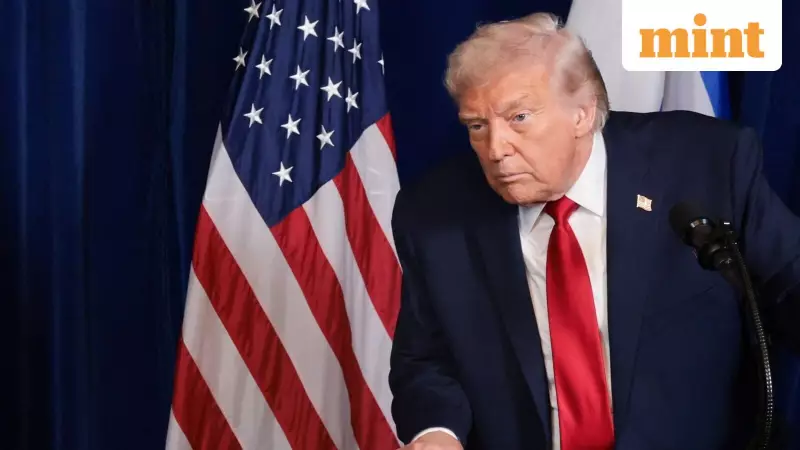
In a significant move, US President Donald Trump has decided to postpone a planned increase in import duties on several household goods, including upholstered furniture and kitchen cabinets. This decision comes amidst growing concerns among American voters about rising prices, as reported by Bloomberg.
What Has Been Postponed?
The White House released an official fact sheet detailing the presidential proclamation late on Wednesday. According to the document, tariff hikes that were scheduled to take effect from Thursday have now been pushed back to January 1, 2027. This announcement coincided with President Trump hosting a New Year's Eve celebration at his Mar-a-Lago resort in Florida.
Original Plan vs. New Timeline
Earlier, in September, President Trump had issued a proclamation directing a sharp rise in tariffs on specific imported wood products. The plan was to increase duties on certain upholstered wooden items from 25% to 30% starting January 1. More dramatically, tariffs on kitchen cabinets and vanities were set to jump from 25% to a hefty 50% on the same date.

However, the latest proclamation has put this plan on hold. The White House confirmed that the existing 25% tariff rate will remain in place for now, providing a temporary relief for importers and consumers.
Ongoing Negotiations and Future Outlook
The official fact sheet indicates that the delay is linked to ongoing diplomatic efforts. It states that the United States "continues to engage in productive negotiations with trade partners". These talks aim to address issues of trade reciprocity and national security concerns related to wood product imports.
This language strongly suggests that the US administration is working on potential trade agreements. Successful pacts could lead to a further deferral or even a cancellation of the proposed new levies, offering a more permanent solution to the trade tension.
The decision to slow the rollout of these tariffs highlights the administration's sensitivity to domestic economic pressures, particularly inflation and cost-of-living issues that are top of mind for voters. The reprieve until 2027 offers a considerable window for businesses to adjust their supply chains and for trade diplomats to forge new agreements.






