

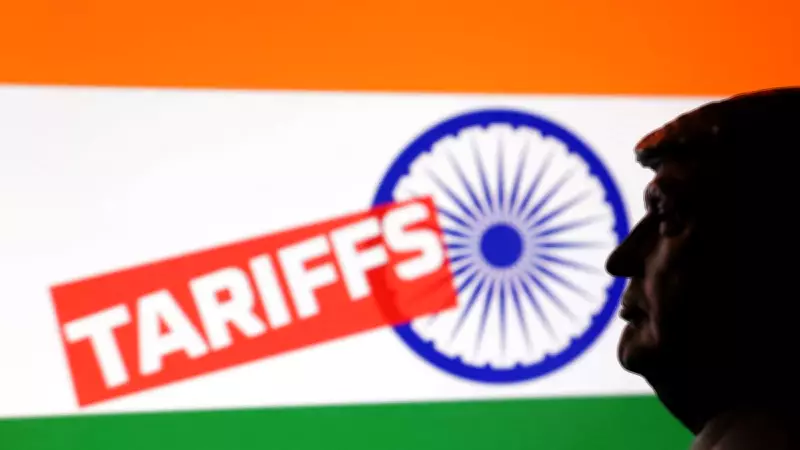
Trump's Tariff Reduction: A Mixed Bag of Relief and Uncertainty
The recent announcement by former US President Donald Trump to cut tariffs has been met with a wave of cautious optimism, particularly in international trade circles. While this move is poised to deliver significant economic relief by lowering costs on imported goods and potentially easing inflationary pressures, it has simultaneously sparked a host of doubts and unanswered questions. The reduction, which targets various sectors, is expected to benefit consumers and businesses alike by making foreign products more affordable and improving supply chain dynamics.
Economic Implications and Global Reactions
From an economic standpoint, the tariff cut could stimulate trade flows and foster a more cooperative global environment. Countries like India, which have faced trade tensions with the US in the past, might see this as an opportunity to strengthen bilateral relations and boost exports. However, the lack of detailed information has left many analysts and policymakers in a state of uncertainty. Without clear guidelines on which specific tariffs are being reduced, by how much, and over what timeframe, it is challenging to assess the full impact on domestic industries and international markets.
The call for transparency has never been more urgent. Stakeholders across the board are demanding that the details of this policy shift be made publicly available. This includes comprehensive data on the affected tariff lines, the rationale behind the selections, and the expected outcomes for both the US economy and its trading partners. Only through such openness can we move from speculation to informed analysis.

Addressing the Lingering Questions
Several critical questions have arisen in the wake of this announcement, and they must be addressed to ensure the policy's success and legitimacy:
- What is the scope of the tariff reduction? Are all sectors equally impacted, or are there preferential treatments that could lead to market distortions?
- How will this affect domestic producers? While consumers may benefit, there are concerns about potential job losses or competitive disadvantages for local industries.
- What are the long-term strategic goals? Is this a temporary measure to curb inflation, or part of a broader shift in US trade policy under a potential future administration?
- How will international relations be influenced? The move could reshape diplomatic ties, particularly with key partners like India, but without clarity, it risks creating new tensions.
In conclusion, while Trump's tariff cut offers a welcome respite from economic strain, it is imperative that the details are fully disclosed and the accompanying questions are thoroughly answered. Public scrutiny and transparent governance are essential to turning this policy into a sustainable benefit for all parties involved. The global community watches closely, hoping for a resolution that balances relief with responsibility.






