The city of Turbat in Pakistan's restive Balochistan province has become the epicenter of public anger following the indefinite shutdown of a crucial border crossing with Iran. Local traders, laborers, and residents have taken to the streets, demanding the immediate resumption of trade activities that are the lifeblood of the regional economy.
Border Closure Sparks Economic Despair
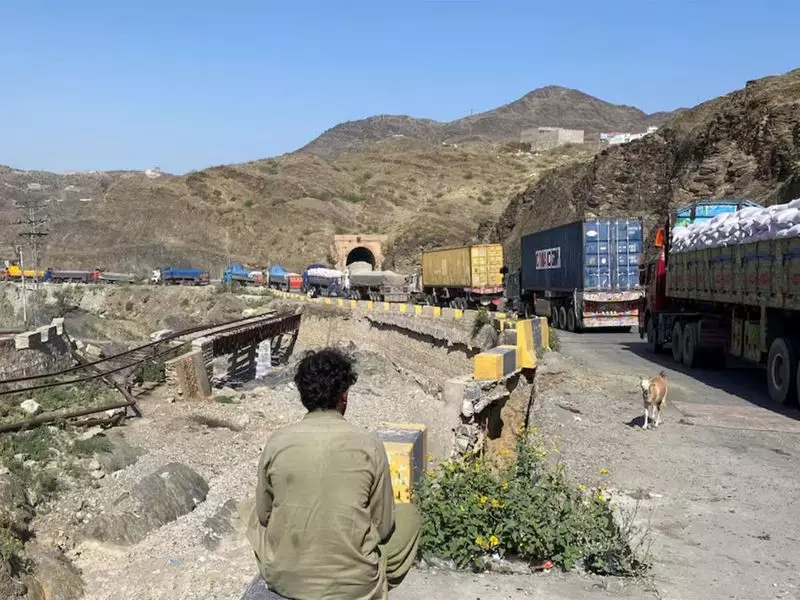
The protests, which began on a significant scale recently, are a direct response to Pakistan's decision to close the Taftan border crossing point. This move has effectively severed a vital economic artery for the people of Makran division, which includes districts like Kech, Gwadar, and Panjgur. For generations, communities here have relied on cross-border commerce with Iran for their survival.
The closure has brought legal trade to a complete standstill, crippling businesses that deal in a variety of goods. More devastatingly, it has left thousands of daily wage earners—including laborers, transporters, and customs agents—without any source of income. Markets that once bustled with activity now stand deserted, painting a grim picture of economic paralysis.

Official Justification Versus Ground Reality
Pakistani authorities have cited security concerns and the need to curb smuggling as the primary reasons for the stringent border controls and shutdown. Officials argue that these measures are necessary to stabilize the national economy and prevent the illegal flow of goods and currency.
However, for the protesters on the ground, this policy is seen as a brutal stranglehold on their legitimate livelihoods. They accuse the government of implementing broad-stroke policies that punish entire populations without providing viable alternatives. The sentiment in Turbat is that the state's approach is disproportionately harming the common citizen while failing to effectively address the root causes of smuggling, which often involves powerful networks.
The demonstrators have issued clear demands: an immediate and unconditional reopening of the border for trade, and the formulation of a sensible policy that protects local economic interests instead of destroying them. They warn that continued neglect of their plight will only deepen resentment and instability in a region already fraught with challenges.
A Region Caught in a Policy Crossfire
The situation in Turbat highlights a critical and recurring conflict between central government policy and regional survival. Balochistan, Pakistan's largest but poorest province, has long complained of economic marginalization. The border with Iran represents one of the few economic opportunities for its people in the Makran belt.
This incident is not isolated. Similar protests have erupted in the past when trade flows have been disrupted, indicating a persistent failure to integrate local needs into national security and economic planning. The current protests underscore the human cost of such policies, where abstract economic numbers and security directives translate into empty kitchens and hopeless futures for border communities.
The indefinite closure risks fueling further discontent in Balochistan, a province where alienation from the central state is a significant political issue. The call from Turbat is a plea for economic justice, emphasizing that the right to livelihood must be balanced against other policy objectives. The resolution of this crisis will be a test of the government's willingness to listen and respond to the urgent needs of its frontier populations.