India's aviation regulator has given the green light to two new airlines to commence operations, a move that comes in the wake of the recent chaos faced by passengers of the country's largest carrier, IndiGo, due to dense fog. The Directorate General of Civil Aviation (DGCA) has granted the crucial Air Operator Certificates (AOC) to regional airline Fly91 and Air India Express's subsidiary, AIX Connect.
Regulatory Response Post-IndiGo Disruption
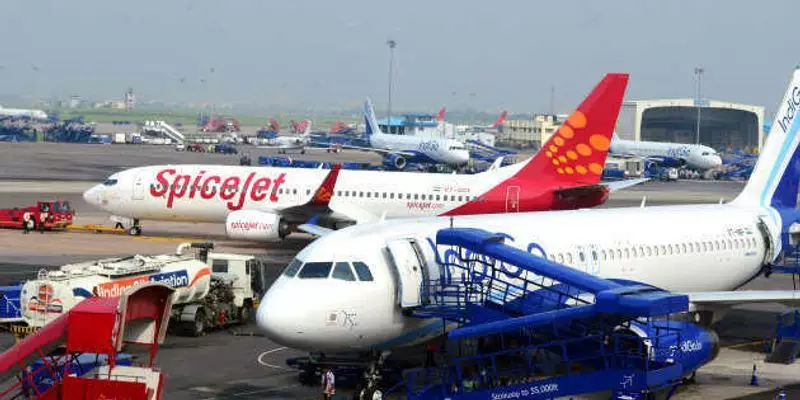
The approvals follow a period of intense scrutiny for the aviation sector, particularly after IndiGo's operations were severely disrupted by dense fog in late January. The DGCA had taken a stern view of the incident, where passengers were seen eating meals on the tarmac at Mumbai airport after their diverted flight was delayed for hours. The regulator issued a show-cause notice to IndiGo and later mandated all airlines to publish accurate, real-time delay data for their flights.
This context makes the timing of the new AOC grants significant. It signals the regulator's commitment to both enforcing discipline among existing players and expanding capacity and competition in the market. The entry of new airlines is expected to provide more choices for passengers, especially on regional routes.

Meet the New Aviation Players
Fly91 is poised to become a key player in India's regional connectivity scheme, UDAN. The airline, which completed its final proving flight in January, plans to connect smaller towns and cities. Its initial fleet will consist of two ATR 72-600 aircraft, with headquarters in Goa's Manohar International Airport (MOPA).
AIX Connect, formerly known as AirAsia India, is the second carrier to receive its AOC. This marks a major step in the integration process following the merger of Air India and Vistara under the Tata Group. AIX Connect will operate as a low-cost carrier alongside the full-service Air India, creating a comprehensive domestic and international network for the conglomerate.
Implications for Indian Aviation
The launch of these two airlines is expected to have a multi-faceted impact on the Indian aviation landscape. Firstly, it will enhance regional connectivity, a key government objective under the UDAN scheme. Fly91's focus on tier-2 and tier-3 cities will open up new routes and make air travel more accessible.
Secondly, the formal operational clearance for AIX Connect solidifies the Tata Group's ambitious aviation strategy. The group now has a clear brand architecture with Air India for full-service, Vistara (in the process of merging), and AIX Connect for the budget segment. This positions them strongly to compete with the dominant low-cost carrier, IndiGo, and other players like SpiceJet and Akasa Air.
The DGCA's simultaneous actions—penalizing operational lapses and enabling new entrants—highlight a dual-track approach: ensuring passenger rights and service quality while also fostering a competitive market for growth. For travelers, this could eventually translate into better service standards, more route options, and potentially more competitive pricing as capacity increases.