

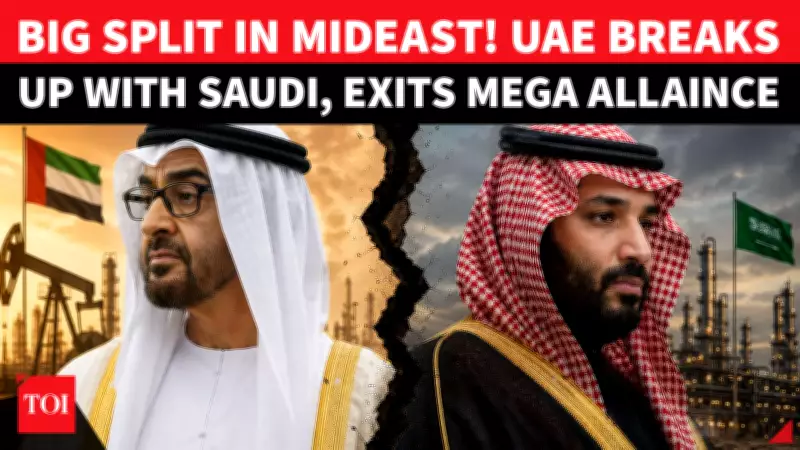
The United Arab Emirates has announced a dramatic exit from OPEC and its allied grouping, OPEC+, amid a global energy crisis triggered by Iran's blockade of the Strait of Hormuz. In an official statement carried by WAM, the UAE said the decision aligned with its long-term economic vision and evolving energy strategy, emphasizing increased domestic production and a commitment to stable global supply.
Shock Move at Critical Time
The announcement coincided with a Gulf leaders' summit in Jeddah, where security concerns dominated discussions. The UAE's withdrawal challenges Saudi Arabia's dominance within the oil cartel and raises questions about Gulf unity at a time of heightened regional tensions.
Energy Strategy Shift
The UAE's decision reflects a broader strategic pivot towards maximizing oil output to capitalize on current market conditions. By exiting OPEC+, the UAE aims to pursue independent production targets, potentially increasing supply to global markets amid supply disruptions caused by the Strait of Hormuz blockade.

Analysts suggest this move could reshape the dynamics of global oil markets, with the UAE seeking to leverage its production capacity to gain a competitive edge. The withdrawal also highlights growing divisions within OPEC+ over production quotas and strategic direction.
As the world grapples with energy shortages, the UAE's exit is expected to have significant implications for oil prices and global energy security. The Gulf Cooperation Council (GCC) faces a test of cohesion as member states navigate diverging national interests.






