The United Arab Emirates and Kazakhstan have taken significant steps to deepen their strategic partnership during a high-profile joint committee meeting that focused on expanding cooperation in cutting-edge technological fields. The discussions marked a new chapter in bilateral relations between the two nations.
Strengthening Bilateral Ties Through Technology
The joint committee meeting, co-chaired by Khaled Mohamed Balama, Governor of the Central Bank of the UAE, and Arman Shakkaliev, Minister of Trade and Integration of Kazakhstan, served as a platform to explore new avenues for collaboration. Both nations expressed strong commitment to enhancing their economic and technological partnerships, recognizing the mutual benefits of shared expertise and resources.
Delegates from both countries engaged in comprehensive discussions about implementing previously signed agreements and identifying new opportunities for cooperation. The meeting demonstrated the growing importance of international partnerships in driving technological innovation and economic growth in the rapidly evolving global landscape.

Three Pillars of Strategic Cooperation
Artificial intelligence emerged as a cornerstone of the discussions, with both nations recognizing the transformative potential of AI technologies. The UAE, having established itself as a regional leader in AI adoption and innovation, expressed interest in sharing expertise and collaborating with Kazakhstan on developing AI solutions that could benefit various sectors of both economies.
Space cooperation represented another critical area of focus. The discussions explored potential collaborations in space exploration and satellite technology, building on the UAE's ambitious space program and Kazakhstan's strategic geographical position and existing space infrastructure. This partnership could open new frontiers for scientific research and technological development.
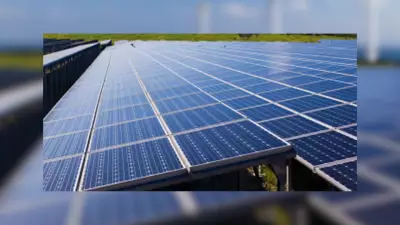
Energy cooperation, particularly in renewable energy, completed the triad of strategic focus areas. Both nations discussed opportunities for knowledge exchange and joint projects in sustainable energy development, reflecting global trends toward cleaner energy solutions and environmental sustainability.
Building on Existing Partnerships
The joint committee meeting built upon the foundation laid by the Intergovernmental Commission on Trade, Economic and Technical Cooperation, demonstrating continuity in bilateral relations. Both parties emphasized the importance of maintaining regular dialogue and implementing practical measures to translate discussions into tangible outcomes.
During the meeting, participants reviewed progress on existing agreements and identified specific action items to advance cooperation in the prioritized sectors. The constructive atmosphere and mutual understanding observed during the discussions indicated strong potential for successful implementation of the proposed initiatives.
The UAE-Kazakhstan partnership represents a significant development in international cooperation, particularly in fields that are crucial for future economic competitiveness. By joining forces in artificial intelligence, space technology, and energy, both nations position themselves to better navigate the challenges and opportunities of the digital age.
This enhanced cooperation framework is expected to yield benefits not only for the two countries directly involved but also for the broader regions they represent. The collaboration sets a positive example of how nations can work together to address global challenges through technological innovation and strategic partnership.