

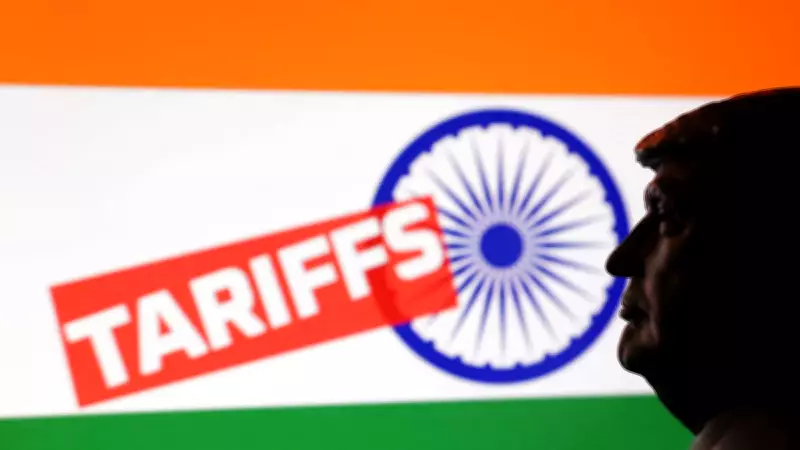
US Imposes 10% Tariff on Exports for 150 Days, Uncertainty Looms
The United States has implemented a significant trade measure, imposing a 10% tariff on exports for a period of 150 days, effective from February 24. This decision has sent ripples through the global economy, with businesses and governments grappling with the implications. The tariff, while temporary, is expected to affect a wide range of goods and services, adding to the existing complexities of international trade relations.
Details of the Tariff Announcement
The tariff, set at 10%, will be applied to exports from various countries, including key trading partners. The 150-day duration, starting February 24, is designed as a short-term measure, but its impact could be far-reaching. Authorities have cited reasons such as protecting domestic industries and addressing trade imbalances, though specific justifications remain under scrutiny. This move follows a series of trade policy adjustments by the US in recent years, highlighting ongoing shifts in global economic strategies.
Impact on Global Trade and Sectors
The imposition of this tariff is likely to disrupt supply chains and increase costs for exporters. Sectors such as manufacturing, agriculture, and technology are particularly vulnerable, as they rely heavily on international markets. Exporters may face higher prices for their goods, potentially reducing competitiveness and leading to decreased demand. Additionally, this could trigger retaliatory measures from other nations, escalating trade tensions and further destabilizing the global economy.

Uncertainty persists among stakeholders, with many expressing concerns about the long-term effects. Businesses are now forced to reassess their export strategies, considering factors like:
- Increased operational costs due to the tariff
- Potential delays in shipments and logistics
- Need for alternative markets or diversification
- Compliance with new regulatory requirements
Economic and Political Ramifications
This tariff decision comes at a time when the global economy is already facing challenges, including inflation and geopolitical conflicts. The uncertainty surrounding this measure could dampen investor confidence and slow economic growth. Politically, it may strain diplomatic relations, as affected countries weigh their responses. Experts warn that without clear communication and potential negotiations, the situation could worsen, leading to a broader trade war.
In conclusion, the US's 10% tariff on exports for 150 days marks a critical development in international trade. While aimed at addressing specific economic issues, it introduces significant uncertainty that could have lasting effects on global commerce. Stakeholders are advised to stay informed and adapt quickly to navigate these turbulent times.






