

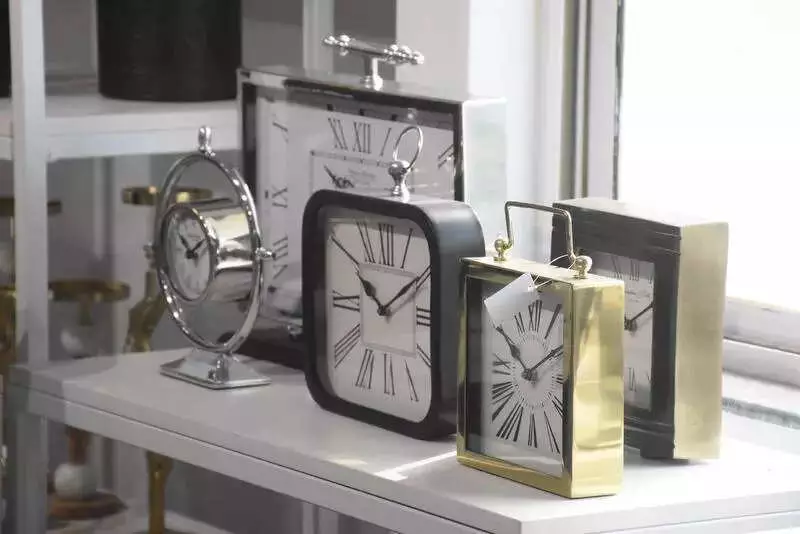
Top officials of the Export Promotion Council for Handicrafts (EPCH) held an emergency meeting in Moradabad on Friday, calling a new US sanctions bill an "existential threat" to the region's famed brassware industry. The crisis stems from US President Donald Trump's approval of bipartisan legislation that could impose tariffs as high as 500% on countries buying Russian oil and gas, with severe implications for Indian exports.
An Industry on the Brink
The potential tariffs pose a dire risk to Moradabad, the heart of India's Rs 10,000-crore brassware export industry. The United States is a critical partner, absorbing 35% of all Indian handicraft exports. According to the RBI's 2024–25 report, the US accounts for 18% of India's total global exports worth $825 billion. The sector is already reeling from a 50% tariff imposed in August last year. Exporters warn that a tenfold increase would make their goods prohibitively expensive for American consumers, effectively crippling the trade.
At the urgent meeting, stakeholders argued that such steep trade barriers would not just stall growth but could permanently destroy traditional craftsmanship that supports crores of artisans nationwide. In response, they charted a dual strategy: aggressively pursuing the domestic market while exploring around 40 alternative global destinations to reduce dependence on the US.

The Pivot to New Markets and Domestic Potential
Rakesh Kumar, Director General and Chief Patron of EPCH, outlined the diversification plan. "We are now aggressively trying to find 40 alternative markets in the Middle East, Latin America, Central Asia, Europe and Asian countries," he stated. He emphasized a simultaneous inward focus, highlighting the vast untapped opportunity within India. "The Indian market has a potential of $22 billion and remains largely untapped by the handicraft industry. We have opened a cash-and-carry counter in Moradabad, which signals that we are preparing to enter domestic markets, given the uncertainties abroad."
Echoing this sentiment, EPCH chairman Neeraj Khanna said manufacturers would adapt their products for local demand. "We already manufacture brassware, but our items will now be modified for the Indian market. We will cater to high-end consumers as well as organisations such as hotels and corporates," he explained, noting the significant opportunity within the growing Indian middle class. "All we need is to structure the supply line."
Impossible Trade and the Call for Support
JP Singh, Chairman of the Young Entrepreneurs Society, starkly contrasted the previous tariff hike with the proposed one. "When the tariff increased to 50%, we could still manage, and so could our American buyers, since around 20% tariffs were already in place," he said. He noted that buyers had previously sought discounts and delayed payments, but a 500% duty would be a death knell. "But with a 500% tariff, trade will be impossible."
Singh acknowledged the promise of the Indian market but stressed that its development requires concerted effort and time. He called for active government participation, policy changes in the MSME sector, a better business environment, and a robust supply chain to ensure smooth trade and help the industry navigate this unprecedented challenge.






