

India faces a significant new economic challenge from the United States, as a proposed bipartisan law could empower the US President to impose crippling tariffs and sanctions on New Delhi for its continued purchase of Russian oil.
Trump Backs Bill Targeting Russian Oil Buyers
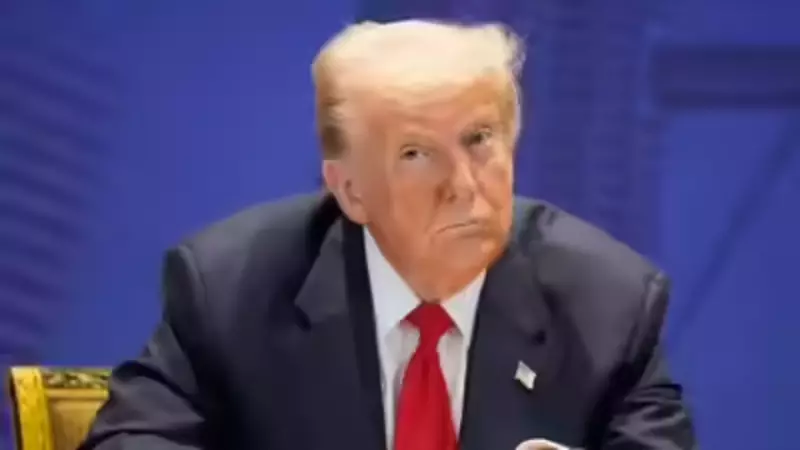
On Wednesday, former and potential future US President Donald Trump gave his crucial approval for a sweeping legislative move. The proposed law, known as the Sanctioning Russia Act or the Graham-Blumenthal Bill, aims to grant the US President expansive new powers. These powers would include the authority to impose both primary and secondary sanctions, as well as punitive tariffs that could skyrocket to an unprecedented 500% on nations still importing oil from Russia.
The bill is named after its sponsors, Senators Lindsey Graham and Richard Blumenthal. Its primary goal is to intensify pressure on Russia by targeting its oil revenue, which is seen as financing the war in Ukraine. However, the legislation casts a wide net, directly threatening major economies within the Brics bloc, including India, China, and Brazil, which have maintained their energy trade with Moscow despite existing Western sanctions.

Strategic Move Ahead of Supreme Court Ruling
This legislative push is also a strategic maneuver by US lawmakers, who are acting in conjunction with the White House. They are attempting to pre-empt an impending ruling from the US Supreme Court on a related tariff case, expected later this month. The ruling is widely anticipated to go against the administration's current use of executive authority on tariffs. By passing this bill, Congress seeks to legislatively empower the President beyond existing executive limits, ensuring a continued hard line against Russia and its trade partners regardless of the court's decision.
Severe Implications for India and Brics Partners
The implications for India are severe. Senator Lindsey Graham made the intent clear in a post on social media platform X, following a meeting where Trump endorsed the bill. Graham stated the legislation would "allow President Trump to punish countries who buy cheap Russian oil fuelling Putin's war machine." He emphasized it would provide "tremendous leverage" against China, India, and Brazil to push them to stop oil purchases that finance what he termed "Putin's bloodbath against Ukraine."
For India, which has strategically increased its intake of discounted Russian crude to manage its energy costs and inflation, this development represents a major escalation in trade tensions with Washington. The threat of secondary sanctions could also disrupt financial transactions and deter international banks from dealing with Indian entities involved in the Russia trade. This comes at a time when there is already no end in sight for other ongoing tariff disputes between the two nations.
The proposed act signifies a hardening US approach that seeks to force a binary choice on its partners: align with the Western sanctions regime or face severe economic consequences. As the bill moves forward, the Indian government will need to navigate this complex diplomatic and economic landscape carefully, balancing its strategic autonomy and energy security against the risk of punitive US measures.






