US Treasury Secretary Voices Disappointment Over India-EU Trade Agreement
In a significant development that underscores the complexities of global economic diplomacy, US Treasury Secretary Janet Yellen has publicly expressed her disappointment regarding the recent trade deal between India and the European Union. This statement comes at a time when international trade relations are increasingly scrutinized for their impact on national economies and strategic alliances.
Background of the India-EU Trade Deal
The India-EU trade agreement, which has been under negotiation for several years, aims to enhance bilateral trade and investment flows between the two major economic blocs. This pact is expected to cover a wide range of sectors, including goods, services, and digital trade, potentially boosting economic growth and cooperation. However, its implications extend beyond the immediate parties involved, affecting global trade patterns and the interests of other nations, particularly the United States.
Janet Yellen's Concerns and Statement
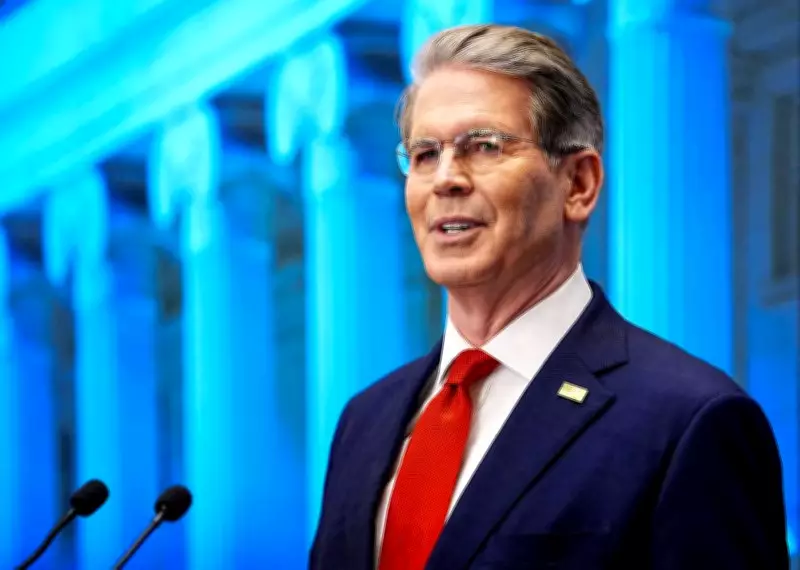
During a recent address, Janet Yellen highlighted her disappointment with the India-EU trade deal, emphasizing that it could have adverse effects on US economic interests. She pointed out that such agreements might lead to trade diversion, where commerce shifts away from the US to other regions, potentially impacting American businesses and workers. Yellen's remarks reflect broader US concerns about maintaining a competitive edge in the global market and ensuring that trade policies align with American strategic goals.

Key points from her statement include:
- Disappointment over the potential exclusion of US interests in the India-EU trade framework.
- Concerns about the deal's impact on global trade dynamics and US economic competitiveness.
- A call for more inclusive trade agreements that consider the interests of all major economies.
Implications for India-US Relations
This development could have significant implications for the bilateral relationship between India and the United States. While both nations have been strengthening their economic and strategic ties in recent years, issues like trade agreements with third parties can introduce tensions. India's pursuit of the EU deal is part of its broader strategy to diversify trade partnerships and reduce dependency on any single market, but it must balance this with maintaining strong relations with key allies like the US.
Experts suggest that this situation highlights the need for ongoing dialogue and cooperation between India and the US to address mutual concerns and foster a more collaborative approach to international trade.
Global Trade Context and Future Outlook
The India-EU trade deal is set against a backdrop of evolving global trade policies, where nations are increasingly seeking to secure favorable terms through bilateral and multilateral agreements. As countries navigate post-pandemic economic recovery and geopolitical shifts, trade deals like this one are critical for shaping future economic landscapes. The US's reaction underscores the competitive nature of international trade and the importance of strategic alignment among major economies.
Looking ahead, it will be crucial for India, the EU, and the US to engage in constructive discussions to mitigate any negative impacts and explore opportunities for trilateral cooperation. This could involve revisiting trade terms or developing complementary agreements that benefit all parties involved.