

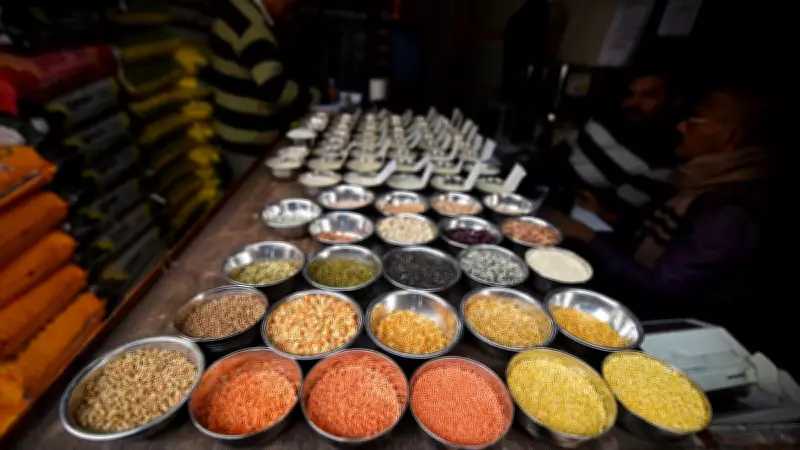
US Makes Key Revisions to Trade Factsheet, Drops 'Pulses' in Deal with India
The United States government has issued a revised official factsheet regarding its trade agreement with India, making several notable changes. Among the most significant revisions is the removal of the term 'pulses' from the document. This update, reported on February 11, 2026, underscores the ongoing sensitivity surrounding agricultural imports in India's farm sector.
Significance of the 'Pulses' Removal
The omission of pulses—which include crops like lentils, chickpeas, and beans—from the US factsheet is a critical development. Agricultural trade, particularly involving pulses, has long been a contentious issue for India due to its impact on local farmers and food security. By revising the language, the US appears to be acknowledging or adjusting to these sensitivities, potentially reflecting diplomatic efforts to address India's concerns in the trade negotiations.
This move could signal a shift in the bilateral trade dynamics, as pulses have been a focal point in previous discussions. India is one of the world's largest producers and consumers of pulses, making any changes in trade terms highly relevant to its economy and agricultural policies.

Broader Implications for US-India Trade Relations
The revision of the factsheet is part of a broader context of evolving trade relations between the United States and India. Key points to consider include:
- Agricultural Sensitivity: India's farm sector is highly sensitive to import policies, and changes in trade terms can have widespread effects on farmers' livelihoods and market stability.
- Diplomatic Adjustments: The US decision to drop 'pulses' may indicate a willingness to accommodate India's priorities, potentially smoothing the path for future trade agreements.
- Economic Impact: Alterations in trade documentation can influence market perceptions and investment flows between the two nations.
Overall, this revision highlights the complex interplay between trade policies and domestic agricultural interests in India. As both countries continue to negotiate and refine their economic partnership, such changes in official communications serve as important indicators of progress and potential compromises.






