

White House Fact Sheet on US-India Trade Deal Includes 'Certain Pulses' for Tariff Cuts
In a significant development following the announcement of a framework for an interim trade agreement between India and the United States, the White House has released a detailed fact sheet that reveals New Delhi will eliminate or reduce tariffs on a wide range of American industrial goods and agricultural products. Notably, the fact sheet specifically mentions "certain pulses" among the items set to benefit from these tariff reductions, a detail that was conspicuously absent from the joint statement issued just days earlier.
Divergence Between Fact Sheet and Joint Statement
The fact sheet, titled "The United States and India Announce Historic Trade Deal" and released on February 9, 2026, states: "India will eliminate or reduce tariffs on all US industrial goods and a wide range of US food and agricultural products, including dried distillers’ grains (DDGs), red sorghum, tree nuts, fresh and processed fruit, certain pulses, soybean oil, wine and spirits, and additional products." This inclusion of pulses marks a key departure from the February 6 joint statement, which outlined the "key terms" of the interim agreement without referencing pulses.
That earlier joint statement, announced after a call between President Donald Trump and Prime Minister Narendra Modi, listed: "India will eliminate or reduce tariffs on all US industrial goods and a wide range of US food and agricultural products, including dried distillers’ grains (DDGs), red sorghum for animal feed, tree nuts, fresh and processed fruit, soybean oil, wine and spirits, and additional products." The omission of pulses in this version has raised questions about the evolving nature of the trade negotiations and the specific products covered.

Context and Implications of the Trade Agreement
The interim agreement, described as reciprocal and mutually beneficial, was reached as part of broader efforts towards a US-India Bilateral Trade Agreement (BTA). Leaders from both countries reaffirmed their commitment to these negotiations, highlighting the strategic importance of strengthening economic ties. The fact sheet's release underscores the ongoing adjustments and clarifications in trade terms, with pulses emerging as a newly highlighted category.
This development comes amid statements from Indian officials regarding agricultural imports. For instance, Union Agriculture Minister Shivraj Singh Chouhan, addressing a press conference in Bhopal on February 8, listed various products—such as hulled grains, flour, wheat, corn, rice, millet, potato, onion, peas, beans, cucumber, mushrooms, pulses, frozen vegetables, oranges, grapes, lemons, strawberries, and mixed canned vegetables—that he indicated would not be imported into India. The inclusion of "certain pulses" in the White House fact sheet suggests potential nuances or updates to these positions, possibly reflecting negotiated compromises or expanded product lists.
Significance of the 'Certain Pulses' Mention
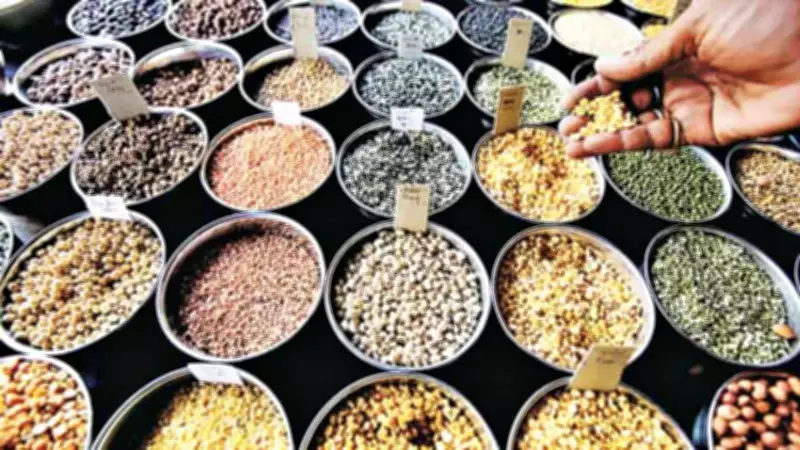
The mention of "certain pulses" is particularly noteworthy given India's status as a major producer and consumer of pulses, with domestic policies often aimed at protecting local farmers. Tariff reductions on pulses could impact market dynamics, potentially increasing imports from the US and affecting prices and supply chains. This detail in the fact sheet may signal a shift in trade priorities or a specific concession made during negotiations, emphasizing the complexity of agricultural trade between the two nations.
As the trade deal progresses, stakeholders will be closely monitoring how such inclusions translate into actual policy changes and their effects on both economies. The divergence between the fact sheet and joint statement highlights the fluid nature of international trade agreements, where details can evolve post-announcement, necessitating careful analysis of official documents.






