

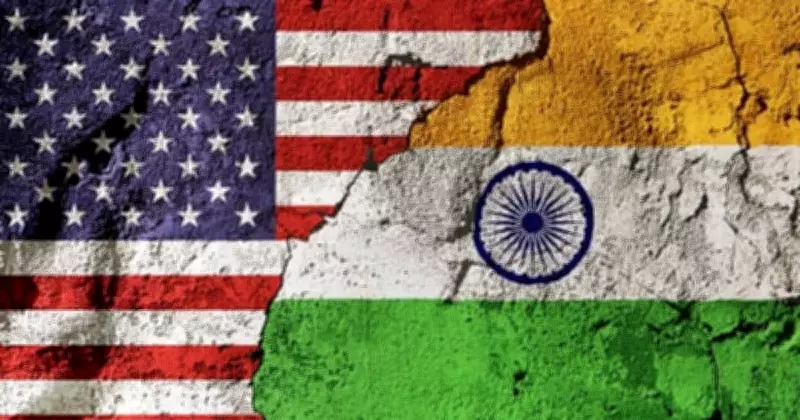
PM Modi's US Trade Agreement Sparks IMF Bailout Comparisons
A recent trade deal between India and the United States, negotiated under Prime Minister Narendra Modi's leadership, is drawing significant attention and criticism for its perceived similarities to an International Monetary Fund (IMF) bailout package. Analysts and observers are raising concerns that the terms of the agreement may impose stringent conditions on India's economic policies, reminiscent of IMF-led financial rescues often associated with austerity measures and structural reforms.
US Establishes Committee to Monitor India's Oil Imports from Russia
In a related development, US President Donald Trump has issued a separate executive order to form a dedicated committee. This committee, led by Commerce Secretary Howard Lutnick, is tasked with closely monitoring whether India, either directly or indirectly, continues to import oil from Russia. This move underscores the ongoing geopolitical tensions and the US's efforts to enforce sanctions and reduce global reliance on Russian energy sources following recent conflicts.
The establishment of this monitoring body highlights the complex interplay between trade agreements and international diplomacy. It signals a heightened scrutiny of India's energy procurement strategies, which could impact bilateral relations and trade dynamics between the two nations. Experts suggest that this could lead to potential friction if India is found to be violating or circumventing the intended restrictions.

Economic and Political Implications of the Trade Deal
The trade deal itself, while aimed at boosting economic cooperation, is being scrutinized for its potential long-term effects on India's sovereignty and economic independence. Critics argue that the agreement might force India to align more closely with US economic interests, potentially at the expense of domestic priorities. Proponents, however, view it as a necessary step to strengthen ties and foster growth in a challenging global environment.
Key aspects of the deal include provisions for increased market access, intellectual property rights, and digital trade, but the specific terms remain a point of contention. The comparison to an IMF bailout stems from fears that India may have to concede on critical policy areas to secure the agreement, similar to countries undergoing financial restructuring with the IMF.
As the situation unfolds, stakeholders in both countries are closely watching how these developments will shape future trade policies and international relations. The dual focus on the trade deal and oil imports monitoring reflects broader trends in global economics, where trade agreements are increasingly intertwined with geopolitical strategies and energy security concerns.






