

The US-India Trade Agreement and Its Impact on Gold Markets
The recent trade deal between the United States and India has introduced significant changes in tariff structures, which are poised to influence various sectors, including the precious metals market. This agreement, aimed at fostering economic cooperation and reducing trade barriers, may have nuanced effects on gold, a traditional safe-haven asset. While tariff reductions could potentially diminish gold's appeal as a hedge against economic uncertainty, other factors are expected to maintain its stability and firmness in the global arena.
Tariff Cuts and Safe-Haven Dynamics
One of the key aspects of the US-India trade deal is the implementation of tariff cuts on numerous goods. For gold, this development might ease its safe-haven appeal, as lower tariffs can reduce costs and increase accessibility, potentially making it less attractive during times of market volatility. Historically, gold has been sought after by investors seeking protection from inflation, currency fluctuations, and geopolitical risks. However, with improved trade relations and reduced barriers, the urgency to hold gold as a defensive asset could wane, leading to shifts in investment patterns.
Strong Global Demand Sustains Gold's Position
Despite the potential impact of tariff reductions, strong global demand for gold continues to play a crucial role in supporting its market value. Factors such as central bank purchases, technological applications, and investment inflows from emerging economies contribute to sustained interest in gold. In particular, countries like China and India remain major consumers, driven by cultural significance and economic growth. This persistent demand helps counterbalance any negative effects from the trade deal, ensuring that gold retains its allure and market stability.

India's Jewellery Exports as a Pillar of Strength
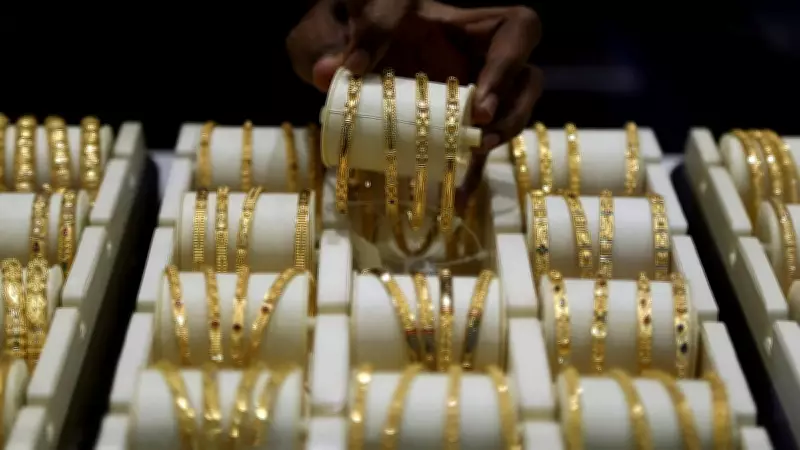
India's position as a leading exporter of gold jewellery adds another layer of resilience to the market. The country's skilled craftsmanship and rich heritage in jewellery making have established it as a global hub for high-quality gold products. With the trade deal potentially enhancing export opportunities through reduced tariffs, India's jewellery sector is likely to experience growth, further bolstering gold demand. This export strength not only supports domestic industries but also reinforces gold's firmness on the international stage, making it less susceptible to fluctuations caused by tariff changes.
Market Outlook and Future Implications
Looking ahead, the interplay between the US-India trade deal and gold markets will be closely monitored by analysts and investors. While tariff cuts may introduce short-term adjustments in safe-haven behavior, the underlying factors of strong global demand and India's robust jewellery exports are expected to provide long-term support. Stakeholders in the gold industry should remain vigilant to evolving trade policies and economic trends, as these will shape investment strategies and market dynamics in the coming years.
In summary, the US-India trade agreement represents a significant development with mixed implications for gold. By reducing tariffs, it may temper the metal's safe-haven appeal, but the enduring forces of global demand and India's export prowess ensure that gold remains a firm and valuable asset in the global economy.






