

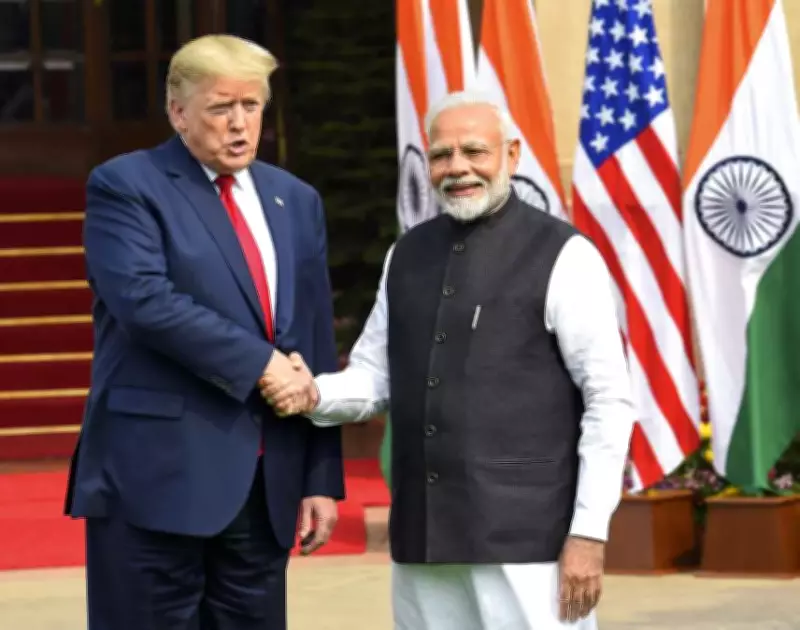
White House Signals Major Reset in US-India Trade Relations
The White House has sent strong signals indicating a potential major reset in trade policy between the United States and India. According to recent developments, the United States is considering a significant reduction in tariffs imposed on Indian exports, potentially lowering them to just 10%. This move represents a substantial shift from previous tariff structures and could have far-reaching implications for bilateral economic relations.
Potential Timeline and Implementation
Sources suggest that this tariff reduction could be implemented by 2026, marking a strategic recalibration of trade dynamics between the two economic powerhouses. The proposed reset comes after years of complex trade negotiations and occasional tensions over market access and tariff barriers. This development suggests both nations are moving toward a more cooperative trade framework that recognizes mutual economic interests.
Impact on Indian Export Sectors
The potential tariff reduction to 10% would affect numerous Indian export sectors, including textiles, pharmaceuticals, engineering goods, and agricultural products. Currently, many of these products face higher tariff rates when entering the US market, creating competitive disadvantages for Indian exporters. A reduction to 10% would make Indian goods more price-competitive in the American marketplace, potentially boosting export volumes significantly.

This policy shift could particularly benefit small and medium enterprises in India that have struggled with high tariff barriers in the past. The simplified tariff structure would reduce administrative burdens and compliance costs for exporters, making it easier for them to access the lucrative US consumer market.
Strategic Implications for Bilateral Relations
The White House's signaling of this major reset comes at a crucial time in US-India relations. Both countries have been working to strengthen their strategic partnership across multiple domains, including defense, technology, and climate cooperation. A more favorable trade environment would complement these efforts and create a more comprehensive bilateral relationship.
Economic analysts note that this development could help address longstanding trade imbalances between the two nations. By making Indian exports more competitive, the US market could absorb more Indian goods, potentially reducing India's trade deficit with the United States while providing American consumers with more diverse product options at competitive prices.
Broader Economic Context
This potential tariff reset occurs against the backdrop of shifting global trade patterns and supply chain realignments. Many nations are reconsidering their trade dependencies and seeking to diversify their import sources. The proposed US tariff reduction on Indian exports aligns with this broader trend and could position India as a more attractive trading partner for American businesses seeking reliable alternatives.
The 2026 timeline allows both governments sufficient opportunity to negotiate the details of this arrangement and address any remaining concerns. It also provides Indian exporters time to prepare for increased market access and potentially scale up their production capacities to meet anticipated demand.
While the White House has signaled this major reset, formal agreements and specific implementation details remain to be finalized through diplomatic channels. Both governments will need to navigate domestic political considerations and ensure that the new tariff structure benefits their respective economies while maintaining fair competition standards.






