

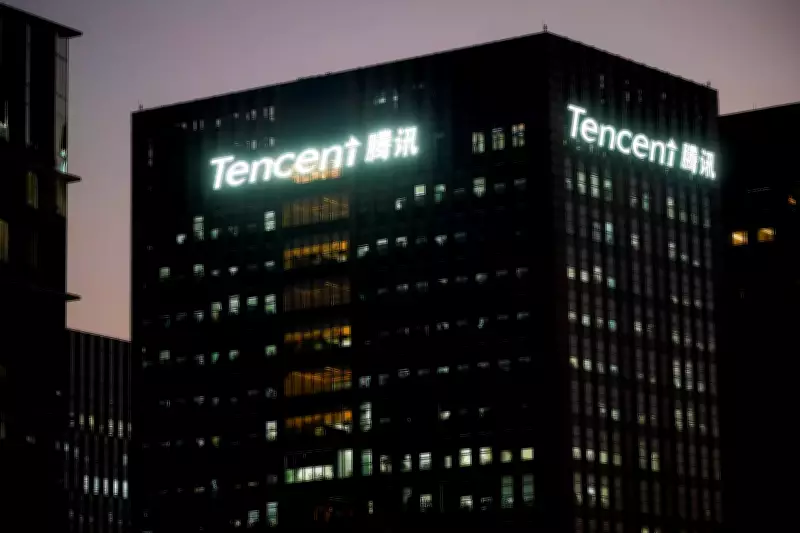
US Administration Debates Forcing Tencent to Divest Gaming Investments
The Trump administration is reportedly engaged in internal deliberations over whether Chinese technology behemoth Tencent should be permitted to retain its substantial investments in several of the world's most prominent video game companies, or be compelled to divest them on grounds of national security. This potential action could inject fresh tension into the already strained US-China relationship, even as President Donald Trump prepares for a scheduled meeting with Chinese President Xi Jinping in April.
Scrutiny Over Tencent's Gaming Empire
According to a report from The Financial Times, which cites multiple individuals familiar with the internal discussions, the administration is turning its regulatory focus toward Tencent's deep investments in the American gaming sector. This scrutiny mirrors the recent pressure applied to TikTok's Chinese parent company, ByteDance, which was forced to sell its US operations due to data security apprehensions.
Tencent's key holdings include:

- A 28% ownership stake in Epic Games, the North Carolina-based studio behind the global phenomenon Fortnite.
- Full ownership of Riot Games, the Los Angeles-based developer of the immensely popular League of Legends.
- Ownership of Supercell, the Finnish mobile gaming company responsible for Clash of Clans, which has also drawn US attention due to its massive American user base despite its European headquarters.
These strategic investments have collectively propelled Tencent to become the world's largest video gaming company by revenue.
Core National Security Concerns: Data and Privacy
At the heart of this debate lie profound concerns regarding data privacy and security. Modern gaming platforms are known to collect extensive amounts of personal information from their users. This data can encompass financial details, personal profiles, in-game communication logs, and behavioral analytics on millions of American citizens, including a significant number of children.
Chris McGuire, a former Biden administration official specializing in technology and national security and now with the Council on Foreign Relations, emphasized the risk, stating, "These platforms could serve as a significant intelligence collection source."
Peter Harrell, a former senior White House national security official and current visiting scholar at Georgetown University, reinforced this view, adding, "Clearly the biggest national security issue in the area of gaming is data privacy and security."
A Long-Running Regulatory Review
The report notes that the examination of Tencent's gaming investments represents one of the most protracted cases ever handled by the Committee on Foreign Investment in the United States (CFIUS). This Treasury-led panel is tasked with reviewing foreign investments for potential national security risks.
The initial inquiries into Tencent's stakes in Epic Games and Riot Games began during the first Trump administration. More recently, in the final month of his term, President Biden's Pentagon placed Tencent on a list of companies alleged to have connections to the Chinese military—a claim that Tencent has consistently and firmly denied.
The outcome of these deliberations could have significant ramifications for the global gaming industry and the broader geopolitical landscape between the United States and China.






