

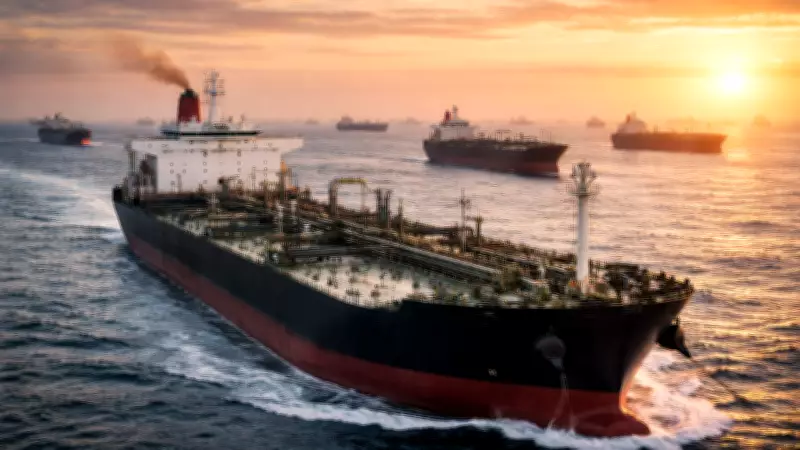
US Weighs Jones Act Suspension to Combat Oil Price Spike from Iran Conflict
The Trump administration is actively considering a temporary waiver of the century-old Jones Act as a strategic measure to mitigate the sharp surge in crude oil and gasoline prices triggered by the escalating conflict between Israel, Iran, and Hezbollah. This move aims to ensure the uninterrupted flow of vital energy products and agricultural goods across American ports during a period of heightened geopolitical instability.
White House Statement on Potential Maritime Law Waiver
White House Press Secretary Karoline Leavitt issued a clarifying statement, noting, "In the interest of national defense, the White House is considering waiving the Jones Act for a limited period of time to ensure vital energy products and agricultural necessities are flowing freely to US ports." She emphasized that this action has not been finalized, but it reflects the administration's urgent response to market pressures. The proposal comes as President Donald Trump evaluates multiple options to address the economic impact of rising fuel costs.
Oil Market Volatility and Strategic Reserve Releases
International benchmark Brent crude oil experienced a dramatic spike, soaring 9.46 percent to $100.68 per barrel following Iran's Supreme Leader Mojtaba Khamenei's pledge of revenge after US and Israeli strikes. The Islamic Revolutionary Guard Corps further warned of continued closure of the strategic Strait of Hormuz, a critical chokepoint for global oil shipments. In response, the administration announced the release of 172 million barrels from the Strategic Petroleum Reserve, part of a broader International Energy Agency-coordinated effort involving approximately 400 million barrels from multiple nations' reserves.

Understanding the Jones Act and Its Implications
The Merchant Marine Act of 1920, commonly known as the Jones Act, is a foundational US federal law that regulates domestic maritime commerce. Its key provisions mandate that:
- Vessels transporting goods between US ports must be built, owned, and registered in the United States.
- These vessels must be operated by crews consisting of US citizens or permanent residents.
Originally enacted to protect and sustain a robust US maritime industry and shipping fleet, a temporary suspension would permit foreign-flagged ships to transport oil between American ports. This could significantly enhance supply flexibility, alleviate potential fuel shortages, and help stabilize prices. Historically, the government has granted limited waivers during crises such as major hurricanes, though the act enjoys strong support from domestic shipbuilders, vessel operators, and congressional allies.
Precedents and Political Sensitivities
A White House official assured on Thursday that any waiver would be structured to avoid adverse effects on the US shipbuilding sector. The most recent waiver was issued in October 2022, allowing a tanker to deliver supplies to Puerto Rico post-Hurricane Fiona. Additionally, the Biden administration temporarily approved an exemption for Valero Energy in 2021 following a cyberattack on a major East Coast fuel pipeline. These precedents highlight the act's role as a tool for emergency response, albeit one entangled in political and economic considerations.
Broader Geopolitical Context and Regional Developments
The deliberation occurs against a backdrop of intensifying Middle East hostilities. Recent events include Saudi Arabia intercepting a drone aimed at the Shaybah oil field, Israeli strikes targeting ten Hezbollah positions in Beirut, and Iran issuing warnings to US tech giants like Google, Amazon, Microsoft, and Nvidia. Notably, Iran has cleared Indian-flagged ships for passage through the Strait of Hormuz while imposing restrictions on vessels from the US, Europe, and Israel, underscoring the selective nature of maritime tensions.
As global oil markets remain on edge, the potential Jones Act waiver represents a critical domestic policy lever to cushion the US economy from external shocks, balancing national security interests with the imperative of maintaining affordable energy supplies for American consumers and industries.






