In a startling revelation, a senior United States official has claimed that a significant trade agreement between the US and India failed to materialize because Prime Minister Narendra Modi did not make a scheduled phone call to then-President Donald Trump. The comments have shed new light on the complexities of high-stakes diplomacy and the personal dynamics that can influence international agreements.
The Claim That Shook Bilateral Talks
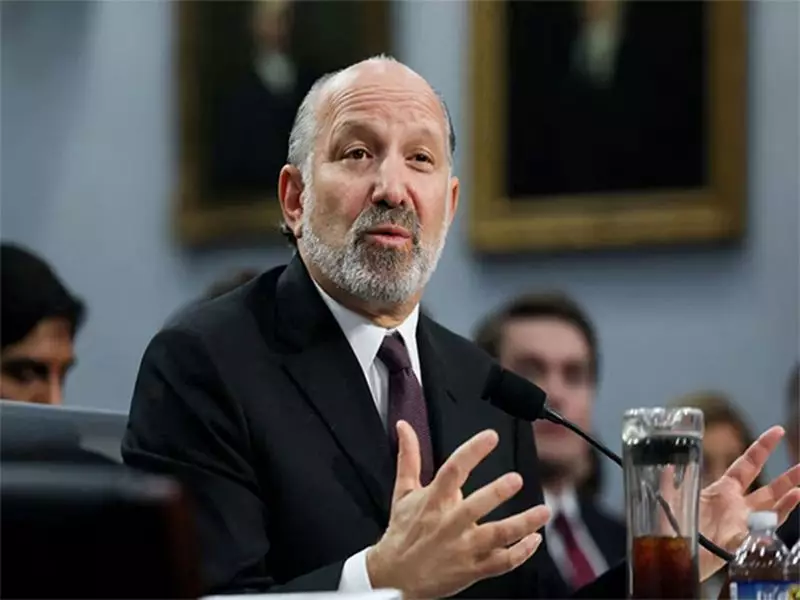
US Commerce Secretary, Mr. Lutnick, made these remarks during a recent public address, pointing to a specific incident as the turning point. According to his account, the groundwork for a substantial trade deal had been laid by negotiators from both nations. The final step, however, was contingent upon a direct conversation between the two leaders to give their political blessing and announce the breakthrough.
The call from Prime Minister Modi to President Trump was reportedly scheduled but never took place. Lutnick stated that this missed connection led to the collapse of the entire negotiation process. The deal, which aimed to resolve longstanding trade irritants and boost commerce between the world's largest democracies, was left in limbo and ultimately never signed.

Context of US-India Trade Negotiations
This alleged incident occurred during a period of intense trade discussions between the Trump administration and the Indian government. Key issues on the table included:
- Market access for American agricultural and dairy products.
- India's concerns over medical device price caps and data localization rules.
- The restoration of India's benefits under the US Generalized System of Preferences (GSP) program.
Both sides had expressed a strong desire to reach an agreement, making the sudden derailment, as described by Lutnick, particularly significant. The claim underscores how delicate international negotiations can be, where even established diplomatic protocols and schedules can have monumental consequences.
Analyzing the Diplomatic Fallout
Lutnick's public disclosure of this behind-the-scenes detail is unusual in diplomacy, where such sensitivities are typically kept private. It raises questions about the communication channels and trust between the two administrations at that time. While the precise reasons for the missed call were not elaborated upon by the US Commerce Secretary, the implication is that it was perceived by the American side as a lack of commitment or a strategic delay from India.
The aftermath saw a continuation of trade tensions, with both countries imposing and threatening tariffs on each other's goods. A limited "mini-trade" package was later discussed but never achieved the scale of the comprehensive deal that was initially envisioned. The relationship has since evolved under the Biden administration, with a focus on strategic cooperation in technology and supply chains, though a broad bilateral trade pact remains elusive.
Implications for Future Trade Relations
This revelation serves as a stark reminder of how personal rapport—or the lack thereof—between leaders can directly impact economic policy and international relations. It highlights a potential vulnerability in structuring critical negotiations around a single high-level interaction.
For future US-India trade relations, the incident suggests a need for more resilient and institutionalized negotiation frameworks that are less susceptible to last-minute logistical hiccups. As both countries continue to seek deeper economic engagement to counterbalance China's influence, building robust and fail-safe diplomatic processes will be crucial. The story, as told by Secretary Lutnick, will likely be studied as a cautionary tale in diplomatic circles for years to come.