

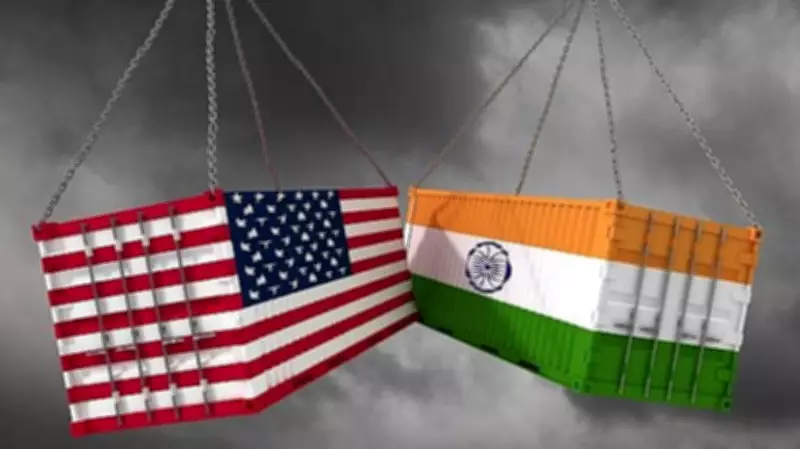
US Government Report Raises Concerns Over India's Trade Policies
A recent report from the United States government has brought significant attention to India's trade practices, specifically targeting the country's high import duties and an array of non-tariff barriers. This comprehensive analysis, conducted by US trade authorities, underscores the persistent challenges faced by American businesses seeking to export goods to the Indian market. The findings come at a critical juncture in bilateral relations, as both nations navigate complex economic dialogues and trade negotiations.
Elevated Import Tariffs Under Scrutiny
The report meticulously details India's import tariff structure, which remains among the highest in major economies. According to the analysis, these duties apply across various sectors, including electronics, automotive components, and agricultural products, effectively increasing costs for US exporters and limiting market access. The US government emphasizes that such tariffs not only hinder trade flows but also contravene principles of fair competition and economic openness advocated in global forums.
Key sectors impacted by these duties include:

- Information technology and telecommunications equipment
- Medical devices and pharmaceuticals
- Industrial machinery and capital goods
- Consumer electronics and luxury items
Complex Non-Tariff Barriers Add to Trade Hurdles
Beyond tariffs, the report flags numerous non-tariff barriers that complicate trade with India. These include stringent regulatory requirements, lengthy certification processes, and inconsistent customs procedures, which often delay shipments and increase operational costs for US companies. The US authorities argue that these barriers, while sometimes framed as measures to protect domestic industries or ensure quality standards, can act as de facto trade restrictions, stifling innovation and consumer choice.
Specific non-tariff issues highlighted in the report involve:
- Complex labeling and packaging regulations that vary by state
- Restrictive import licensing for certain goods
- Ambiguous standards for product testing and certification
- Frequent changes in policy without adequate transition periods
Implications for US-India Trade Relations
The findings of this report are poised to influence ongoing trade discussions between the US and India. American officials have expressed concerns that these barriers could undermine efforts to deepen economic ties and achieve a more balanced trade relationship. The report serves as a formal documentation of grievances, potentially paving the way for diplomatic pressure or negotiations aimed at reducing trade impediments.
In response, Indian authorities have historically defended their trade policies as necessary for protecting nascent industries and ensuring national security. However, the US report suggests that a reassessment may be warranted to foster greater bilateral cooperation and align with international trade norms. The outcome of this discourse could significantly impact sectors ranging from technology to agriculture, shaping the future of US-India economic engagement.
As global trade dynamics evolve, this report underscores the importance of transparent and equitable trade practices. Stakeholders on both sides are closely monitoring developments, with hopes for resolutions that promote mutual growth and stability in the Indo-Pacific region.






