

US Cuts Tariff on Indian Goods to 10%, But Uncertainty Looms Over Trump's Next Move
Indian exporters are experiencing a significant sigh of relief as goods entering the United States are now subject to a 10% additional tariff, effective from Monday. This marks a substantial reduction from the 25% rate that had been in place since the beginning of the month, offering a much-needed reprieve for many sectors.
Trump's Mercurial Tariff Turns Create Anxiety
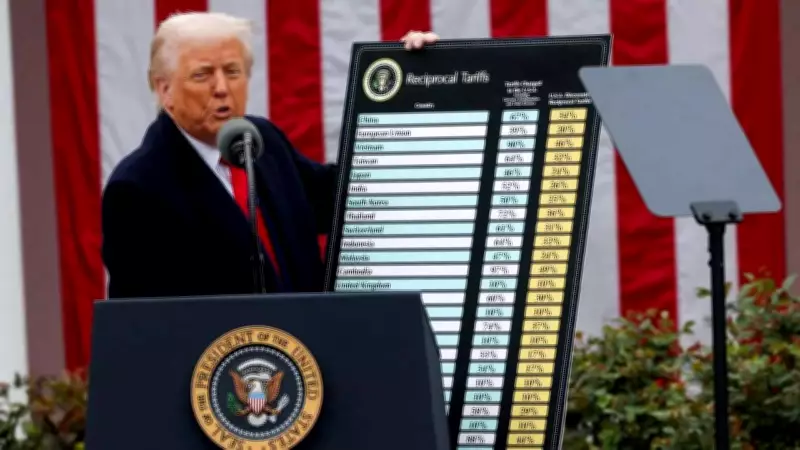
However, this relief is tempered by deep-seated anxiety over the stability of this new rate. US President Donald Trump's unpredictable shifts on tariff policies have left exporters on edge. Early on Saturday, Trump announced his intention to increase the levy to 15%, although no executive order has been issued to formalize this change.
On Monday, the US Customs and Border Protection agency officially notified shippers that the rate would be set at 10%. A White House official later clarified to Reuters that Trump has had "no change of heart" regarding his desire for a 15% tariff but provided no further details on the timeline or implementation.

Legal Basis and Time Limit for the 10% Tariff
The 10% additional tariff has been imposed under Section 122 of the Tariff Act of 1974, which Trump invoked following the US Supreme Court's decision to strike down his authority to impose reciprocal tariffs. This provision, cited for balance of payments problems, carries a strict limitation: it can only be used for a maximum of 150 days, adding another layer of uncertainty for long-term planning.
Working To Up It To 15%: White House Official
Exporters are cautiously optimistic but remain wary. "Let things stabilise, there are a lot of ifs and buts. There is a lot of uncertainty. Some clarity is required on diamonds given that they were treated differently under the agreements with the UK and EU," said Sabyasachi Ray, executive director of The Gem & Jewellery Export Promotion Council.
Confusion and Delays in Diamond Exports
The confusion and frequent policy reversals by the Trump administration have led to practical disruptions. Some diamond consignments were held back as US customs officials themselves were uncertain about the final levy. A Mumbai-based exporter noted, "Even the US customs didn't know what the final levy was. So, we sent some stuff today, but the duty is quite high."
For jewellery exports, a 5.5% Most Favored Nation (MFN) tariff applies to all countries, in addition to the new 10% extra duty. Meanwhile, Chinese exports face separate actions under Section 301, with some goods incurring a 25% additional tariff, highlighting the complex and varied landscape of US trade policies.
Broader Impact Across Sectors
For most other Indian export sectors, the reduction to 10% is a cause for celebration. Previously, exports from India were subject to tariffs as high as 50%, which included a 25% penalty for Indian refiners purchasing Russian oil. Although this penalty was removed at the start of the month, the remaining levy was expected to drop to 18% as part of an interim framework for a bilateral trade deal.
Ajay Sahai, director general of the Federation of Indian Export Organisations (FIEO), commented, "The 10% US tariff, though a concern, is significantly lower than the higher duties Indian exporters have faced earlier, placing them in a relatively better position. Since it is applied uniformly across countries, our competitive standing remains largely unaffected. A supportive exchange rate further cushions the impact, enabling exporters to remain resilient and competitive in the US market."
Exemptions and Ongoing Challenges
While goods such as pharmaceuticals and electronics were exempt from additional tariffs during the period of reciprocal tariffs, other products like aluminium, steel, automobiles, and auto parts continue to face a 50% product-specific levy under Section 232. This disparity adds to the complexity of export strategies.

Pankaj Chadha, chairman of the Engineering Export Promotion Council of India (EEPC), raised a critical issue: "The million-dollar question now is on refunds and if we will ever be able to get it." In the event that refunds do materialize, exporters will face the additional challenge of recovering these amounts from buyers, as most agreements do not include provisions for such scenarios.
As Indian exporters navigate this temporary tariff relief, the overarching sentiment is one of cautious optimism mixed with apprehension. The 150-day limit on the 10% tariff provision and Trump's stated desire to increase it to 15% mean that the road ahead remains fraught with uncertainty, requiring agile adaptation and strategic foresight from the export community.





