

US Tariff Reduction Revives Indian Seafood and Basmati Rice Exports
In a significant development for India-US trade relations, the reduction of reciprocal tariffs by the United States is poised to reinvigorate Indian seafood and basmati rice exports to American markets. This policy shift comes after months of trade tensions and is expected to create substantial opportunities for Indian exporters.
Tariff Structure Overhaul
The United States will reduce reciprocal tariffs from 25% to 18%, according to official announcements. Additionally, the 25% punitive tariff that was imposed due to India's Russian oil purchases will be eliminated. This comprehensive adjustment effectively reduces the overall US tariff on Indian exports from 50% to 18%, marking a substantial improvement in trade conditions.
Impact on Seafood Exports
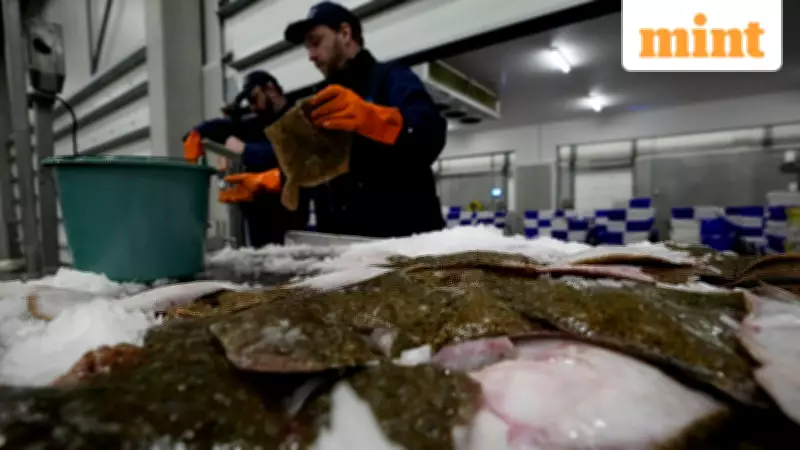
Seafood exporters have been particularly affected by high duties this year, facing greater challenges than their basmati rice counterparts. Prior to this tariff reduction, seafood exports to the US were subject to a 59.7% tariff, which included countervailing duties and anti-dumping measures of 9.7%. This placed Indian exporters at a significant disadvantage compared to competitors like Ecuador, which faced only 19% duties.

Industry projections indicate seafood exports to the US could grow by 8-10% in the next fiscal year, building on FY25's $2.78 billion in exports. The United States represents the largest market for Indian seafood, accounting for approximately 36% of India's total marine product exports worth $7.39 billion in 2024-25, with frozen shrimp constituting a major portion of these shipments.
Basmati Rice Export Prospects
The tariff reduction is equally promising for India's basmati rice sector. Industry experts anticipate basmati rice shipments could increase by 10-15% from FY25's $337 million. During April-November 2025, India exported approximately 200,000 tonnes of basmati rice to the US, showing growth from 180,000 tonnes during the same period in the previous year.
The enhanced landed-price competitiveness resulting from lower tariffs is expected to stimulate stronger demand for basmati rice in American markets, according to industry representatives. This improvement will help Indian exporters compete more effectively with key rivals like Thailand and Pakistan, whose rice exports to the US currently face tariffs around 19%.
Broader Agricultural Benefits
Beyond seafood and basmati rice, the tariff reduction is expected to benefit India's fruits and vegetable exports. The United States has emerged as one of the fastest-growing markets for Indian mangoes and pomegranates, and lower duties would improve price competitiveness for various produce including grapes, bananas, onions, and processed vegetables.
Industry experts emphasize that reduced tariffs would not only expand export volumes but also support Indian farmers through better price realization, reduce post-harvest losses, and encourage investment in critical infrastructure such as cold chains and quality certification systems.
Strategic Implications
Trade analysts view this tariff reduction as signaling a fundamental transition in India-US economic relations from transactional exchanges toward a more mature strategic partnership. The agreement reflects a shared vision where economic collaboration reinforces trust, innovation, and long-term prosperity for both nations.
Exporters note that while the immediate impact may be limited in the current fiscal year with less than two months remaining, the next fiscal year promises significant growth. Industry projections suggest seafood exports could cross the $3-billion mark and regain approximately 36% market share in the US market.
This development represents a genuine win-win scenario, catalyzing export growth and industrial expansion for India while strengthening supply-chain resilience and broadening sourcing options for the United States.






