

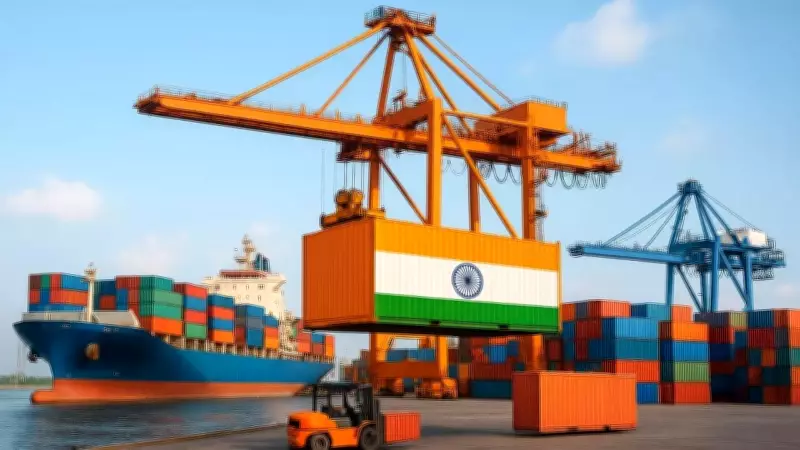
US Tariff Reduction on Indian Goods to Enhance Export Competitiveness
The recent decision by the United States to lower reciprocal tariffs on Indian goods from 25 percent to 10 percent is anticipated to significantly bolster the competitiveness of several labor-intensive sectors in the American market. Industry representatives have highlighted that this move will particularly benefit pharmaceuticals, electronics, engineering goods, textiles, and gems and jewellery, which are key export areas for India.
Background and Legal Ruling
This development follows a landmark ruling by the US Supreme Court, which struck down sweeping tariffs imposed by former President Donald Trump. In a 6–3 verdict authored by Chief Justice John Roberts, the court declared that the tariffs on multiple countries were illegal, stating that the president had exceeded his authority in implementing these levies. This decision marks a setback to a central element of Trump's economic agenda for a potential second term.
Subsequently, the US announced a temporary import surcharge of 10 percent ad valorem on articles imported into the country, effective for 150 days starting February 24. Previously, the affected sectors faced reciprocal tariffs of 25 percent in the US market, making this reduction a notable shift in trade policy.

Impact on Indian Exports
The United States remains a major export destination for these Indian industries, and the tariff cut is expected to provide a substantial boost to outbound shipments. According to Ajay Sahai, Director General of the Federation of Indian Export Organisations (FIEO), this reduction will make Indian products more competitive in the US market. A leather exporter echoed this sentiment, noting that the move will enhance the appeal of Indian goods abroad.
However, Sahai pointed out that constraints persist, such as Section 232 tariffs on steel, aluminium, and certain automobile products, which continue to pose challenges. He emphasized that India should leverage this improved position to expand its market share while actively pursuing trade negotiations for greater stability and sectoral relief.
Trade Negotiations and Future Prospects
On the topic of whether India should reassess its trade negotiations with the US, Sahai explained that the proposed pact extends beyond mere tariff concessions on goods. He stated, "A trade agreement would help tariff concessions or exclusions, provide long-term predictability and prevent re-imposition through alternate US legal routes... However, both sides may recalibrate negotiations in light of the changed tariff environment."
He added that the tariff ruling presents an opportunity to pursue a more balanced and rules-based trade framework, moving away from unilateral tariff actions. This shift could foster a more stable and predictable trade relationship between the two nations.
Bilateral Trade Statistics
During the period from 2021 to 2025, the US maintained its position as India's largest trading partner in goods. The US accounts for approximately 18 percent of India's total exports, 6.22 percent of imports, and 10.73 percent of overall bilateral trade. In the fiscal year 2024–25, India–US bilateral trade reached $186 billion, with exports totaling $86.5 billion and imports at $45.3 billion, underscoring the critical importance of this economic relationship.
This tariff reduction is poised to not only enhance export volumes but also strengthen India's economic ties with the US, potentially leading to more robust trade agreements in the future.






