

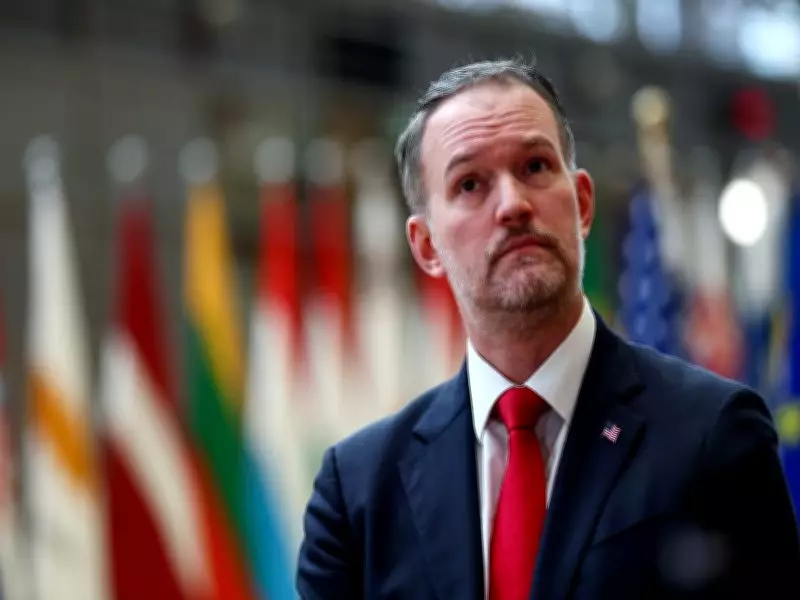
US Trade Representative Recognizes India's Agricultural Safeguards in Bilateral Discussions
The United States Trade Representative has officially acknowledged that India intends to preserve specific protective measures for its agricultural sector as part of ongoing trade negotiations between the two nations. This statement underscores the critical importance India places on safeguarding its farming community and food security amidst global economic pressures.
Key Points from the Trade Representative's Announcement
During recent bilateral talks, the US Trade Representative highlighted that India's position includes maintaining certain tariffs and subsidies designed to support domestic farmers. These protections are seen as essential for ensuring the stability and growth of India's vast agricultural economy, which employs a significant portion of the population.
India's agricultural sector has long been a focal point in trade discussions due to its sensitivity and socio-economic impact. The US Trade Representative's comments reflect an understanding of these complexities, suggesting that negotiations will need to balance trade liberalization with India's developmental needs.

Implications for Bilateral Trade Relations
This development indicates that trade talks between India and the US are progressing with a recognition of each country's priorities. India's stance on agricultural protections is likely to influence the broader framework of the trade agreement, potentially affecting sectors such as manufacturing and services as well.
Experts note that maintaining these safeguards could help India mitigate risks associated with market fluctuations and ensure food sovereignty. However, it may also lead to prolonged discussions as both sides work towards a mutually beneficial outcome.
Future Outlook and Negotiation Dynamics
Looking ahead, the US Trade Representative's acknowledgment sets the stage for more detailed negotiations where India's agricultural interests will be a key topic. The focus will likely be on finding a balance that allows for increased trade while respecting India's protective measures.
- Continued dialogue on tariff reductions and market access.
- Potential compromises on non-agricultural sectors to offset agricultural protections.
- Ongoing monitoring of global trade trends and their impact on bilateral relations.
In summary, the US Trade Representative's statement confirms that India's agricultural protections remain a cornerstone of its trade policy, shaping the future of Indo-US economic relations.






